Spray Foam Insulation: The Complete Guide to Making Your Home More Energy-Efficient and Comfortable
If you’ve ever felt a draft sneaking through your walls on a cold winter day or watched your energy bills climb higher each month, you’re not alone. Thousands of homeowners struggle with inadequate insulation that fails to keep their homes comfortable year-round. Spray foam insulation has emerged as one of the most effective solutions to these problems, offering superior performance that goes far beyond traditional insulation materials.
Understanding what spray foam insulation actually is and how it can transform your home’s comfort and efficiency is essential before making any decisions about your insulation needs. This comprehensive guide will walk you through everything you need to know about spray foam insulation, from how it works to its long-term benefits for your home and wallet.
What Exactly Is Spray Foam Insulation?
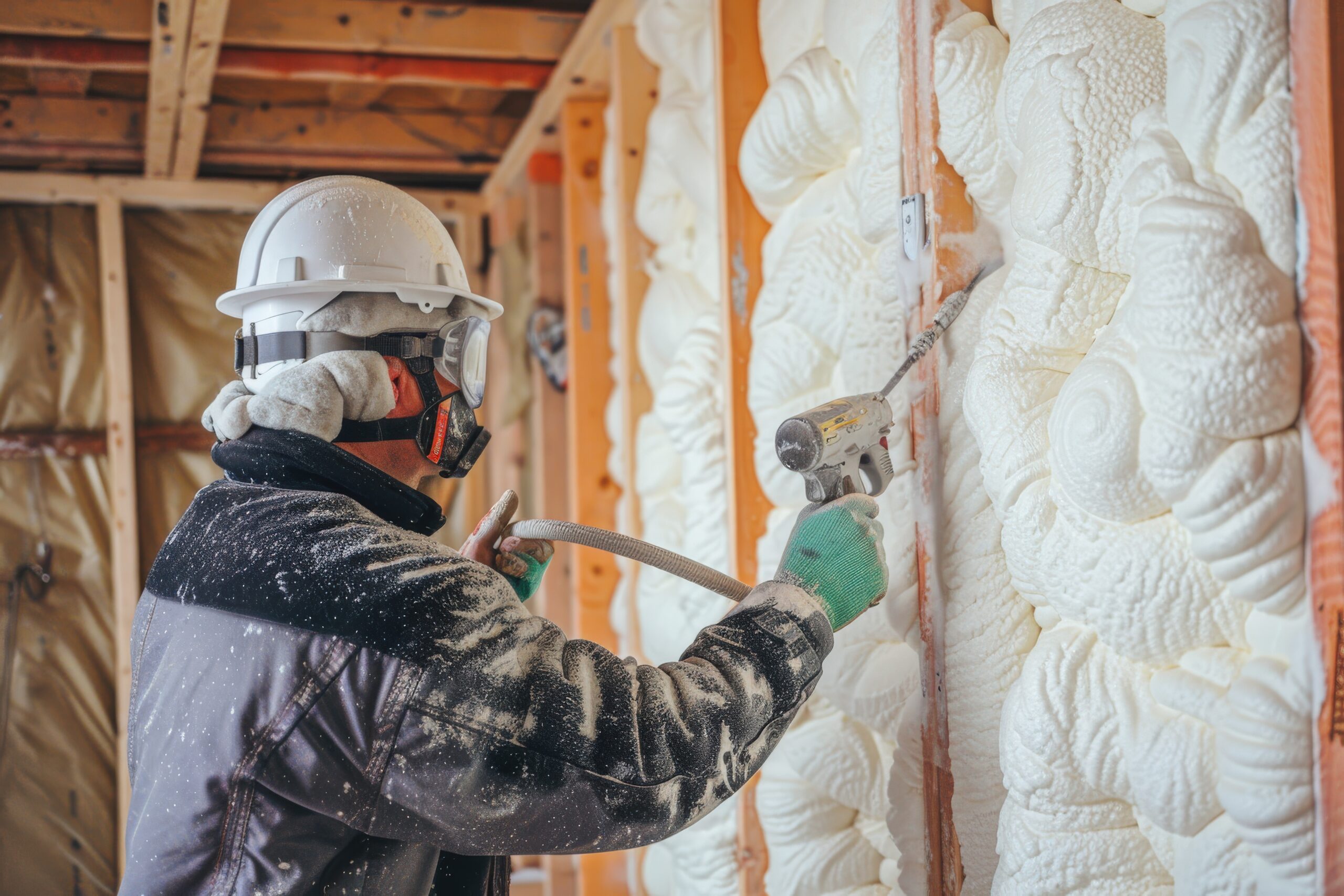
Spray foam insulation is a chemical product created by mixing two liquid components that react and expand when combined. When sprayed into place, this mixture expands rapidly to fill gaps, cracks, and cavities in your walls, attic, or crawl space. The result is a seamless barrier that provides both insulation and air sealing in one application.
Unlike traditional insulation materials like fiberglass batts or blown-in cellulose, spray foam creates an airtight seal that prevents air leakage. This characteristic makes it particularly effective at stopping drafts and maintaining consistent temperatures throughout your home. The foam adheres to surfaces and conforms to irregular shapes, ensuring complete coverage even in hard-to-reach areas.
The Two Types of Spray Foam: Understanding Your Options
When exploring spray foam insulation, you’ll encounter two main types, each with distinct characteristics and applications.
Open-Cell Spray Foam is the lighter and more affordable option. It has a spongy texture and expands significantly after application, making it excellent for filling large cavities. With an R-value of approximately 3.5 to 4 per inch, open-cell foam provides good insulation while also offering superior soundproofing qualities. This makes it an ideal choice for interior walls where noise reduction is a priority. However, it’s vapor-permeable, meaning it allows moisture to pass through, which can be beneficial in certain climates but may require additional vapor barriers in others.
Closed-Cell Spray Foam is denser, more rigid, and offers a higher R-value of about 6 to 7 per inch. This type creates an impermeable barrier to both air and moisture, providing excellent structural support and water resistance. Closed-cell foam is particularly valuable in flood-prone areas, basements, or anywhere moisture control is critical. While it costs more than open-cell foam, its superior insulating properties and structural benefits often justify the investment for exterior applications and spaces requiring maximum thermal performance.
Stop Wasting Energy—Upgrade to Professional Spray Foam Insulation
Ready to eliminate drafts and cut energy bills by 20-50%? Our certified installers provide expert spray foam solutions that seal every gap, improve indoor air quality, and boost your home's comfort year-round. As a NYSERDA-approved contractor, we help homeowners access rebate programs that significantly reduce upfront costs. Schedule your free home energy assessment today and discover how spray foam can transform your home's efficiency.
How Spray Foam Transforms Your Home’s Energy Efficiency
The real power of spray foam insulation lies in its ability to address multiple problems simultaneously. Traditional insulation materials primarily slow heat transfer, but they often leave gaps where air can leak through. These air leaks account for 25 to 40 percent of the energy used for heating and cooling in typical homes.
Spray foam eliminates this problem by creating a continuous air barrier. When properly installed, it seals every crack, gap, and penetration in your building envelope. This comprehensive sealing means your heating and cooling systems don’t have to work as hard to maintain comfortable temperatures. Many homeowners report energy savings of 20 to 50 percent after upgrading to spray foam insulation, with the exact savings depending on their previous insulation condition and local climate.
Beyond immediate energy savings, spray foam helps maintain consistent temperatures throughout your home. No more cold spots in winter or hot rooms in summer. This consistency not only improves comfort but also reduces wear and tear on your HVAC system, potentially extending its lifespan and reducing maintenance costs.
The Installation Process: What to Expect
Professional installation is essential for spray foam insulation. The process begins with thorough preparation, including protecting surfaces that shouldn’t be sprayed and ensuring proper ventilation during application. Installers wear protective equipment because the chemicals used can be irritating during the mixing and application phase.
The actual spraying takes place in layers, with each layer allowed to cure partially before the next is applied. This layering ensures proper expansion and adhesion. The foam begins expanding immediately and typically reaches full expansion within seconds to minutes, depending on the type. Open-cell foam expands more dramatically, sometimes up to 100 times its liquid volume, while closed-cell foam expands less but creates a denser final product.
After installation, the foam needs time to cure completely. During this period, which typically lasts 24 to 48 hours, homeowners should avoid occupying the sprayed areas to allow any off-gassing to dissipate. Once cured, spray foam insulation becomes inert and safe for occupied spaces.
Long-Term Benefits That Keep Adding Value
The advantages of spray foam insulation extend well beyond energy savings. The air sealing properties significantly improve indoor air quality by preventing outdoor pollutants, allergens, and pests from entering your home. This creates a healthier living environment, particularly beneficial for family members with allergies or respiratory sensitivities.
Closed-cell spray foam adds structural strength to walls and roofs, potentially improving your home’s resistance to high winds and storm damage. This added rigidity can be particularly valuable in areas prone to hurricanes or severe weather events. Some insurance companies even offer discounts for homes with spray foam insulation due to this increased resilience.
The moisture resistance of closed-cell foam also helps prevent mold and mildew growth, protecting both your home’s structure and your family’s health. By creating a barrier that moisture can’t penetrate, it eliminates one of the primary conditions mold needs to thrive.
Understanding the Investment and Potential Savings
Spray foam insulation requires a higher upfront investment compared to traditional insulation materials. The cost varies based on the type of foam, the size of the area being insulated, and regional labor rates. However, when you factor in energy savings, improved durability, and reduced HVAC maintenance, the long-term return on investment becomes compelling.
Many homeowners find that energy savings alone can help offset the initial cost over time. Additionally, homes with spray foam insulation often command higher resale values due to their superior energy efficiency and comfort. If you’re in New York, exploring available rebate programs can help reduce your upfront costs significantly, making this upgrade more accessible.
Making the Right Choice for Your Home
Deciding whether spray foam insulation is right for your home depends on several factors, including your budget, climate, specific insulation needs, and long-term home plans. It’s particularly beneficial for older homes with significant air leakage, new construction projects where maximizing efficiency is a priority, or homes in extreme climates where superior insulation performance justifies the investment.
When evaluating various insulation types and their applications, consider your specific situation. Spray foam excels in applications requiring air sealing, moisture control, and maximum thermal performance, but other insulation types might be more appropriate for certain projects or budget constraints.
Working with Qualified Professionals
The success of spray foam insulation depends heavily on proper installation. Look for contractors with specific spray foam certification and experience. Ask for references, verify insurance coverage, and ensure they follow manufacturer guidelines and building codes. A qualified installer will assess your home’s specific needs, recommend the appropriate type of foam, and ensure proper application for optimal performance.
Stop Wasting Energy—Upgrade to Professional Spray Foam Insulation
Ready to eliminate drafts and cut energy bills by 20-50%? Our certified installers provide expert spray foam solutions that seal every gap, improve indoor air quality, and boost your home's comfort year-round. As a NYSERDA-approved contractor, we help homeowners access rebate programs that significantly reduce upfront costs. Schedule your free home energy assessment today and discover how spray foam can transform your home's efficiency.
Your Path to a More Comfortable Home
Spray foam insulation represents a significant advancement in home insulation technology. Its ability to simultaneously insulate and air seal makes it one of the most effective solutions for improving home comfort and energy efficiency. While the initial investment may be higher than traditional insulation, the combination of energy savings, improved comfort, enhanced indoor air quality, and increased home value makes it a worthwhile consideration for many homeowners.
Whether you’re building a new home, renovating an existing one, or simply looking to reduce energy costs and improve comfort, spray foam insulation deserves serious consideration. By understanding how it works, recognizing its benefits, and choosing qualified professionals for installation, you can make an informed decision that will benefit your home and family for decades to come. The investment you make today in quality insulation can transform your house into a more comfortable, efficient, and valuable home for the future.