Why Mineral Wool Insulation Might Be Your Home’s Best Defense Against Energy Loss
When you’re standing in your home improvement store’s insulation aisle, overwhelmed by choices, mineral wool probably isn’t the flashy option catching your eye. It doesn’t have the household name recognition of fiberglass or the trendy appeal of spray foam. Yet this unassuming material, made from spun rock or industrial slag, has been quietly protecting homes and buildings for over a century—and for good reason.
If you’re serious about creating a comfortable, energy-efficient home that stands the test of time, mineral wool deserves more than a passing glance. Let me explain why this material has earned its reputation among builders, architects, and homeowners who’ve done their homework.
What Exactly Is Mineral Wool?
Mineral wool goes by several names—rock wool, stone wool, or slag wool—depending on its source material. The manufacturing process is fascinating: manufacturers take natural rock (typically basalt) or recycled industrial slag, melt it at temperatures exceeding 2,900°F, and spin it into fibers, much like cotton candy. These fibers are then formed into batts, rolls, or loose-fill insulation.
The result is a dense, fibrous material that looks somewhat like compressed steel wool but feels surprisingly soft to the touch. This unique structure gives mineral wool its impressive performance characteristics that set it apart from other insulation materials.
The Fire Safety Advantage That Could Save Your Home
Here’s something that keeps me up at night as a homeowner: most insulation materials are flammable or will melt under high heat. Mineral wool? It’s made from rock. It won’t burn, won’t melt, and can withstand temperatures up to 2,150°F without degrading.
This isn’t just a theoretical advantage. In a house fire, mineral wool can slow the spread of flames between rooms and floors, potentially giving your family precious extra minutes to escape and firefighters more time to control the blaze. Some mineral wool products can provide up to four hours of fire resistance in wall assemblies.
For homes in wildfire-prone areas or anyone concerned about electrical fires, this fire resistance isn’t a nice-to-have feature—it’s peace of mind installed in your walls.
Ready to Fortify Your Home with Fire-Resistant Mineral Wool Insulation?
Mineral wool offers unbeatable fire protection up to 2,150°F, superior soundproofing with 50% noise reduction, and long-lasting R-value for 15-30% energy savings — plus eco-friendly recycled content and mold resistance. Team it with air sealing for total efficiency. With NYSERDA and Inflation Reduction Act rebates covering up to 30-50%, New York homeowners are getting premium mineral wool upgrades with thousands back or zero upfront cost. Secure your home's defense today.
Sound Control That Actually Works
If you’ve ever lived in a home with paper-thin walls or heard every footstep from the apartment above, you understand the value of acoustic insulation. Mineral wool excels here in ways that surprise most people.
The dense, fibrous structure of mineral wool doesn’t just trap air—it dampens sound waves incredibly effectively. While standard fiberglass might reduce noise transmission, mineral wool can cut sound levels by 50% or more, depending on the installation. This makes it invaluable for:
- Home theaters and music rooms where sound quality matters
- Bedrooms adjacent to noisy areas like laundry rooms or garages
- Multi-family buildings where privacy is essential
- Home offices where you need to minimize distractions
I’ve talked to homeowners who installed mineral wool in their master bedroom walls, and they describe it as transformative—suddenly their home feels like a sanctuary rather than an echo chamber.
Moisture Management Without the Drama
Here’s where mineral wool really shines compared to many alternatives. The material is naturally hydrophobic, meaning it repels water rather than absorbing it. When moisture does contact mineral wool, it doesn’t compromise the insulation’s performance the way it would with fiberglass or cellulose.
This matters more than you might think. In real-world conditions, walls and attics experience moisture from:
- Humidity migrating through building materials
- Condensation during temperature fluctuations
- Minor roof leaks or plumbing issues
- Bathroom and kitchen steam
Mineral wool handles these situations gracefully. It doesn’t sag, compress, or lose its insulating value when exposed to moisture. It also resists mold and mildew growth, since it provides no organic material for these organisms to feed on.
For homes in humid climates or areas with significant temperature swings, this durability translates into insulation that maintains its R-value year after year, decade after decade.
The Long-Term Value Proposition
Let’s talk money, because insulation is an investment. Mineral wool typically costs 10-25% more than fiberglass insulation upfront. That price difference makes some homeowners hesitate. But here’s what the math looks like over time:
Mineral wool maintains its full R-value for 50 years or more without settling or degrading. It reduces your heating and cooling costs from day one. Many homeowners see 15-30% reductions in energy bills after upgrading their insulation, and when you’re considering various insulation types and their applications, the long-term performance becomes crucial.
Additionally, that initial cost difference often becomes negligible when you factor in available incentives. Energy efficiency rebate programs can significantly offset the installation costs, sometimes covering 30-50% of your investment. These programs exist because utilities and governments recognize that better insulation reduces overall energy demand.
Installation Considerations You Should Know
Mineral wool has some unique characteristics that affect installation. The material is denser and heavier than fiberglass, which actually makes it easier to work with in some ways—it stays in place without sagging and cuts cleanly with a serrated knife.
However, this density also means:
- Professional installation is often recommended for optimal results
- Proper fitting around electrical boxes and pipes requires skill
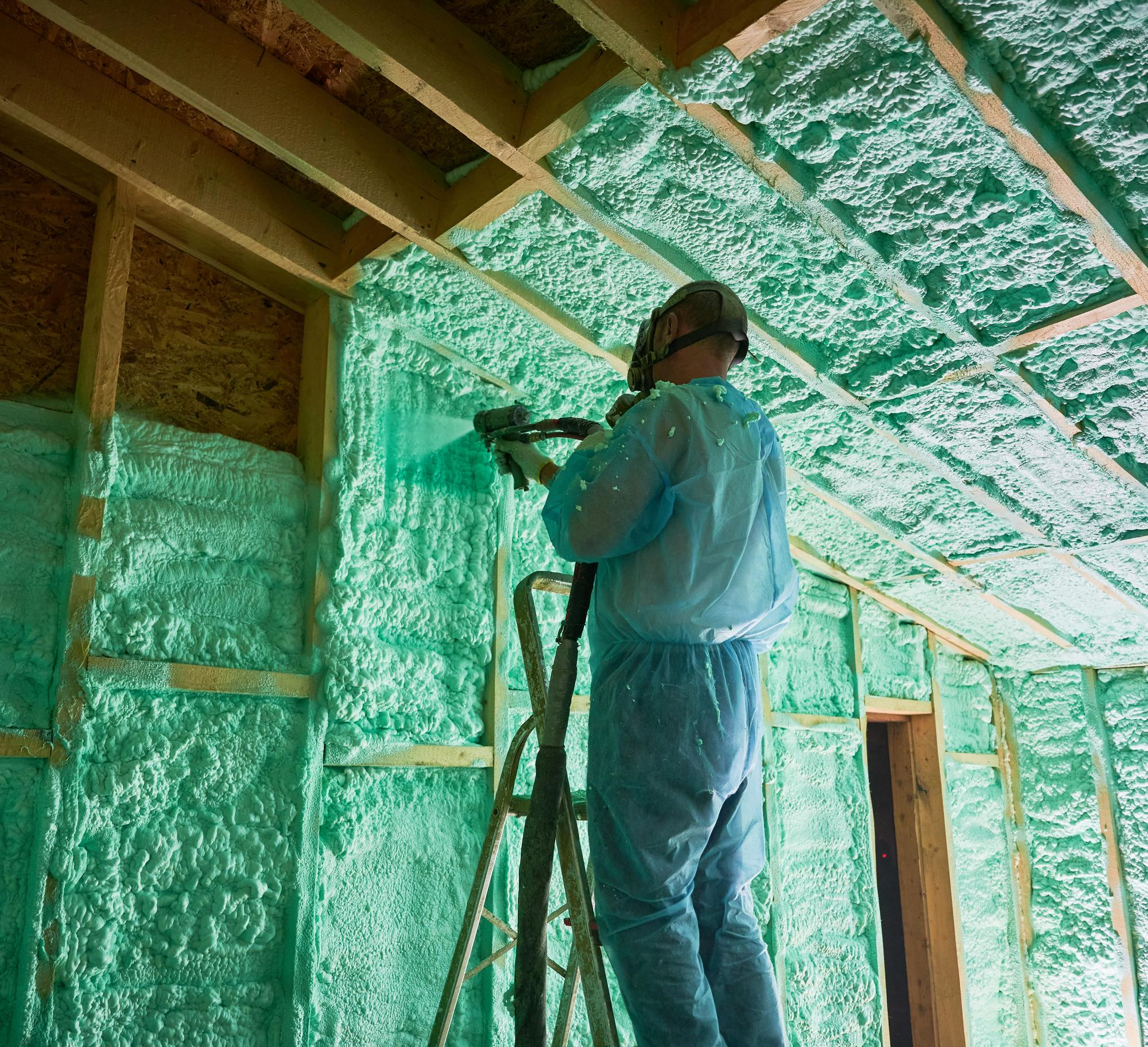
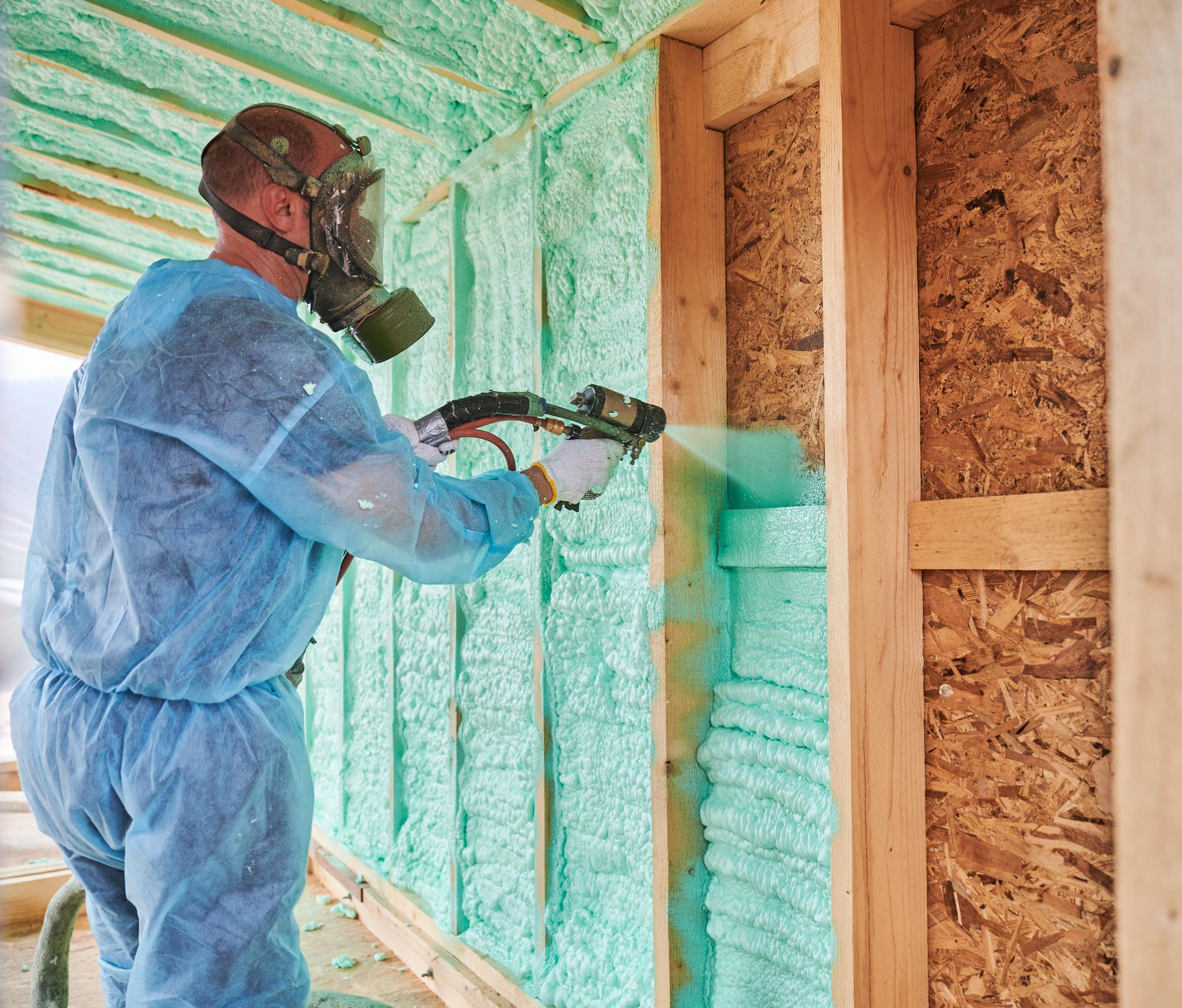
- The material produces dust during cutting, requiring appropriate protective equipment
- Weight considerations matter for ceiling applications
For DIY enthusiasts, mineral wool batts can be more forgiving than other materials because they compress slightly to fit into irregular stud spaces and spring back to fill gaps. But the dust and weight mean this isn’t a job to tackle in shorts and a t-shirt—proper safety gear is essential.
Ready to Fortify Your Home with Fire-Resistant Mineral Wool Insulation?
Mineral wool offers unbeatable fire protection up to 2,150°F, superior soundproofing with 50% noise reduction, and long-lasting R-value for 15-30% energy savings — plus eco-friendly recycled content and mold resistance. Team it with air sealing for total efficiency. With NYSERDA and Inflation Reduction Act rebates covering up to 30-50%, New York homeowners are getting premium mineral wool upgrades with thousands back or zero upfront cost. Secure your home's defense today.
Environmental Credentials That Matter
If sustainability factors into your decisions, mineral wool has an interesting story. Many products contain 70% or more recycled content, primarily from industrial slag that would otherwise go to landfills. The material itself is infinitely recyclable, though end-of-life recycling programs remain limited.
The energy required for manufacturing is higher than some alternatives, but the longevity and performance efficiency of the installed product typically offset this initial environmental cost within a few years of use. Unlike some foam insulations, mineral wool doesn’t use or produce harmful blowing agents or off-gas volatile organic compounds.
Where Mineral Wool Makes the Most Sense
Mineral wool isn’t necessarily the right choice for every application, but it excels in specific situations:
Exterior walls: The combination of thermal performance, fire resistance, and moisture management makes mineral wool ideal for exterior wall cavities, especially in challenging climates.
Party walls: Any wall shared with neighbors or between rooms where sound control matters benefits enormously from mineral wool’s acoustic properties.
Fire barriers: Around furnaces, water heaters, chimneys, and other heat sources, mineral wool’s fire resistance provides safety that other materials can’t match.
Basement walls: The moisture resistance makes mineral wool excellent for below-grade applications where dampness is a concern.
Making Your Decision
Choosing insulation isn’t just about R-values and cost per square foot. It’s about creating a home that’s comfortable, safe, efficient, and durable. Mineral wool delivers on all these fronts in ways that few other materials can match.
Is it perfect? No material is. The higher initial cost and weight are real considerations. But for homeowners who take a long-term view—who plan to stay in their homes for decades or who want to maximize resale value—mineral wool represents one of the smartest investments you can make in your home’s envelope.
The insulation hidden in your walls might not be glamorous, but it profoundly affects your daily comfort, safety, and utility bills. Mineral wool has earned its reputation not through marketing hype but through decades of proven performance in real-world conditions. That’s the kind of track record worth considering when you’re making decisions that will affect your home for the next 50 years.