Why Cellulose Insulation Might Be the Smartest Choice for Your Home
When I first started researching insulation options for my own home renovation, I was overwhelmed by the choices. Fiberglass, spray foam, mineral wool—the list seemed endless. But one option kept standing out: cellulose insulation. After diving deep into its benefits, installation process, and real-world performance, I discovered why so many homeowners and contractors consider it one of the most practical and eco-friendly insulation materials available today.
What Exactly Is Cellulose Insulation?
Cellulose insulation is made primarily from recycled paper products—think newspapers, cardboard, and other paper waste that would otherwise end up in landfills. These materials are shredded into fine particles and treated with fire-retardant chemicals like boric acid, which also provides resistance against pests and mold.
The result is a loose-fill insulation material that looks somewhat like gray cotton candy. Don’t let its humble appearance fool you, though. This recycled paper product packs serious insulating power and offers benefits that many modern synthetic materials can’t match.
What makes cellulose particularly appealing is its composition: it’s typically made from 75-85% recycled content, making it one of the greenest insulation options on the market. In an era where we’re all looking for ways to reduce our environmental footprint, choosing a product that gives new life to waste materials feels like a win-win situation.
How Does Cellulose Insulation Work?
The secret to cellulose’s effectiveness lies in its dense, fibrous structure. When properly installed, cellulose creates thousands of tiny air pockets that trap heat and slow its movement. This means your home stays warmer in winter and cooler in summer, reducing your reliance on heating and cooling systems.
Unlike some rigid insulation boards that can leave gaps, cellulose conforms to the spaces it fills. It flows around obstacles like wiring, pipes, and irregular framing, creating a more complete thermal barrier. This adaptability is especially valuable in older homes with non-standard construction.
The density of cellulose also plays a crucial role in its performance. At approximately 3.5 pounds per cubic foot when properly installed, it’s significantly denser than fiberglass batts. This density doesn’t just improve thermal performance—it also provides excellent soundproofing, which is a bonus many homeowners don’t anticipate but quickly come to appreciate.
Ready to Upgrade to Cozy, Eco-Friendly Cellulose Insulation?
Cellulose insulation delivers excellent thermal performance, superior soundproofing, and is made from recycled materials — all while filling every gap for maximum efficiency. Combined with air sealing and NYSERDA + Inflation Reduction Act rebates, New York homeowners are getting denser, greener insulation installed with thousands back or even at zero upfront cost. Go green and save big this year.
Installation Methods: Dense-Pack vs. Loose-Fill
Cellulose can be installed using two primary methods, each suited to different situations:
- Loose-fill application involves blowing cellulose into open attic spaces. A specialized machine fluffs and propels the material through a large hose, allowing installers to quickly cover large areas. This method is ideal for attics where you can see the floor joists and need to add insulation on top of existing materials or start fresh.
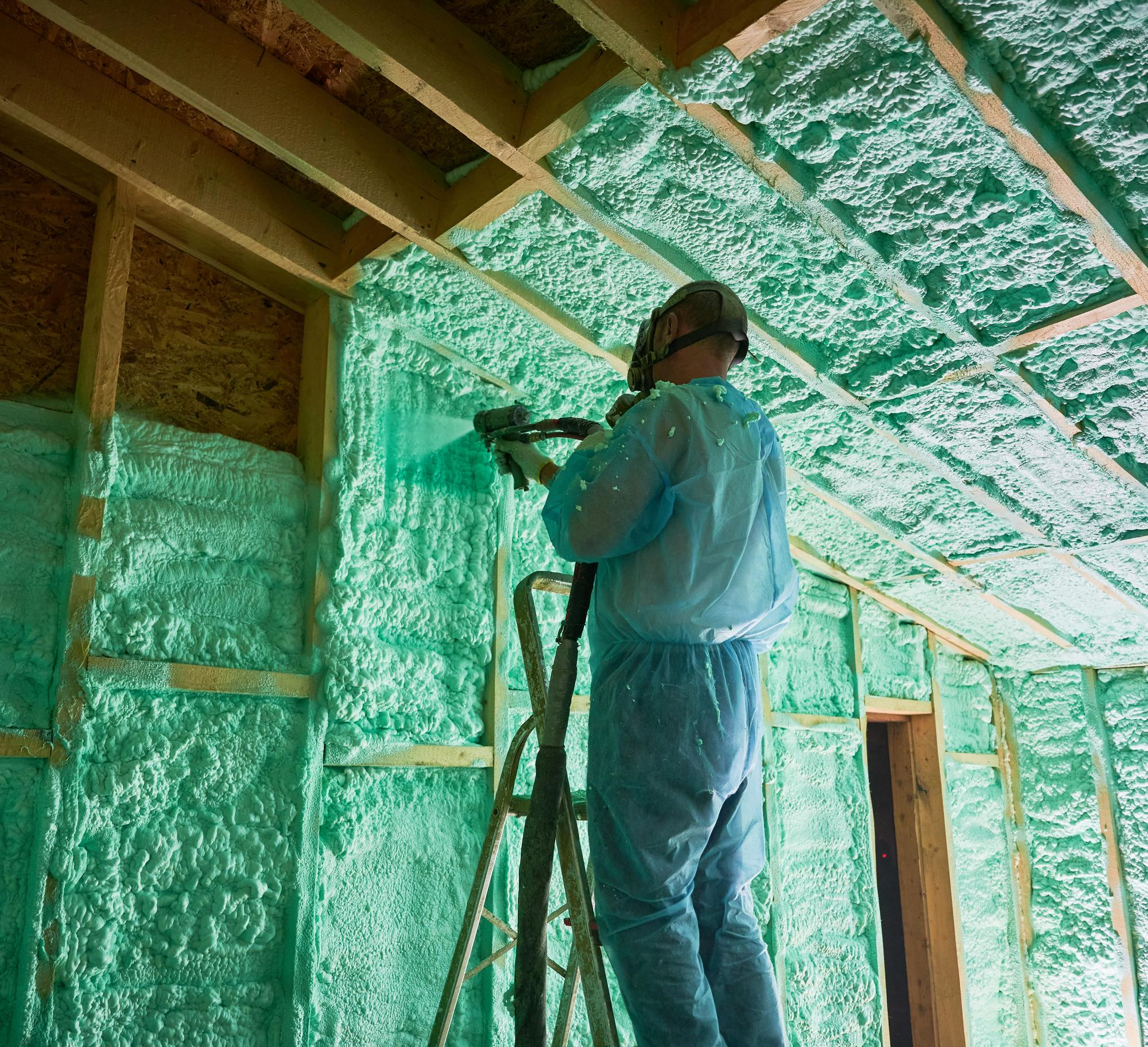
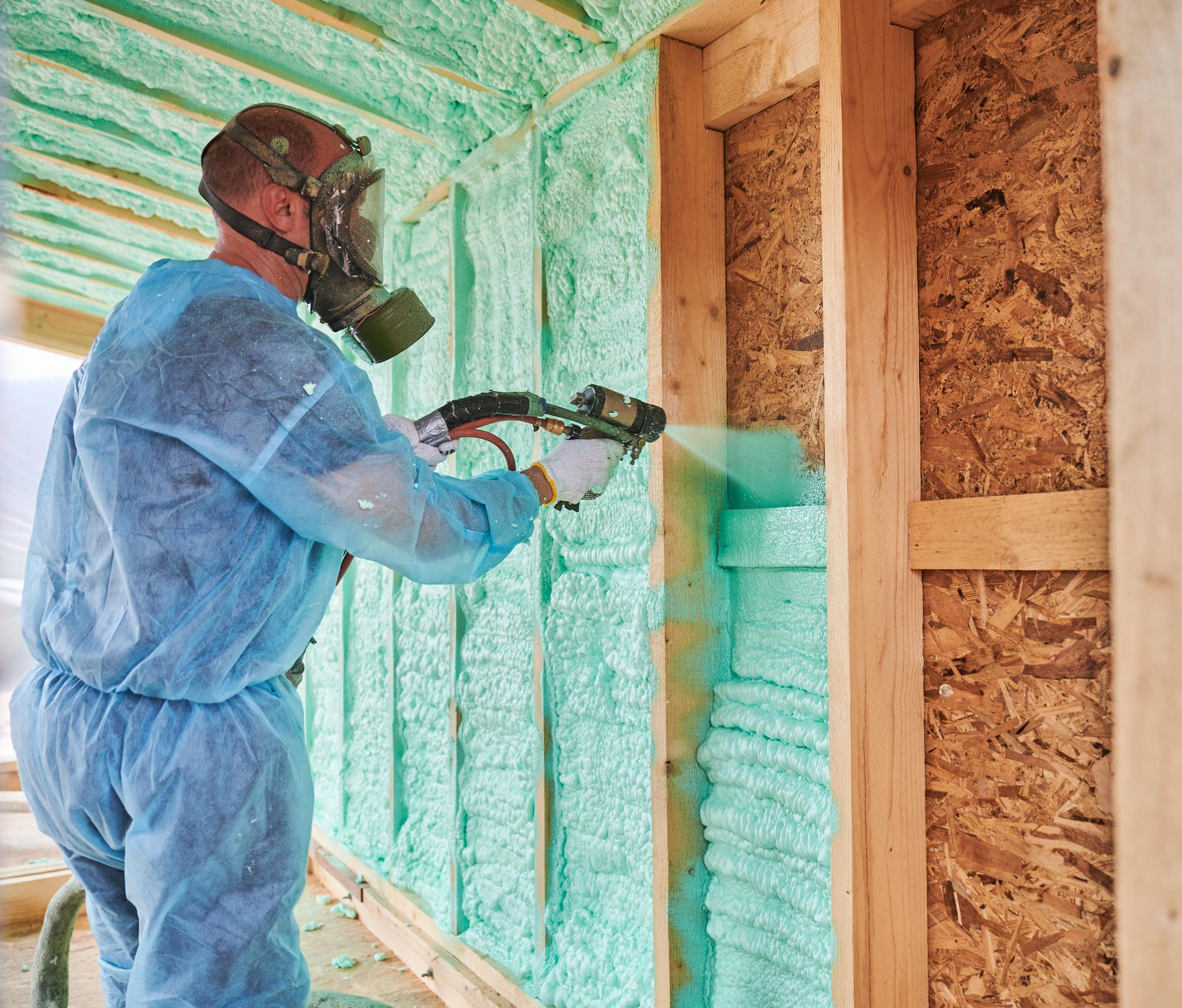
- Dense-pack application is used for enclosed spaces like walls and cathedral ceilings. Small holes are drilled into the wall cavity, and cellulose is blown in under pressure until it reaches a density of about 3.5 to 4 pounds per cubic foot. This density prevents settling and provides superior performance. Once the cavities are filled, the holes are patched, leaving minimal evidence of the work.
For homeowners exploring different options, understanding how cellulose compares to other materials is important. When considering various insulation types and their applications, cellulose stands out for its versatility and retrofitting capabilities.
The Real-World Benefits You’ll Actually Notice
Energy Savings That Show Up on Your Bills
The most immediate benefit of cellulose insulation is reduced energy consumption. Homeowners typically see a 20-30% reduction in heating and cooling costs after upgrading to properly installed cellulose insulation. Those savings compound year after year, often paying for the installation within five to seven years.
Sound Control You Can Hear (or Rather, Can’t Hear)
One benefit that surprises many homeowners is the dramatic improvement in sound insulation. Cellulose’s dense composition absorbs sound waves effectively, reducing noise transmission between rooms and from outside. If you live near a busy street or have teenagers who enjoy loud music, this feature alone might make cellulose worth considering.
Fire Resistance Built Right In
Thanks to the fire-retardant treatments applied during manufacturing, cellulose insulation is remarkably fire-resistant. It won’t burn easily and can actually slow the spread of fire through wall cavities. In fire tests, cellulose-insulated walls have consistently outperformed those with fiberglass insulation, sometimes providing an extra 20-30 minutes of fire resistance—time that could save lives.
Environmental Impact You Can Feel Good About
Choosing cellulose means diverting paper waste from landfills and reducing the demand for virgin materials. The manufacturing process requires less energy than producing fiberglass or foam insulation, resulting in a smaller carbon footprint. For environmentally conscious homeowners, cellulose offers peace of mind that your home improvement project aligns with your values.
Addressing Common Concerns
Will It Settle Over Time?
This is one of the most frequently asked questions about cellulose, and it’s a legitimate concern. In loose-fill attic applications, some settling is normal—typically around 10-20% over the first few years. Professional installers account for this by initially applying extra material.
In dense-pack applications for walls, settling is minimal to non-existent when properly installed. The key is achieving the correct density during installation. This is why hiring experienced installers matters—they understand the nuances that ensure long-term performance.
What About Moisture and Mold?
Cellulose is treated with compounds that resist mold growth, but like any insulation material, it shouldn’t be installed in areas prone to chronic moisture problems. The boric acid treatment provides good resistance to moisture-related issues, but it’s not a substitute for proper ventilation and moisture management.
If you live in a humid climate or have areas of your home with moisture concerns, discuss these issues with your installer. They may recommend additional vapor barriers or ventilation strategies to ensure your insulation performs optimally.
Is Professional Installation Necessary?
While DIY cellulose insulation is technically possible, professional installation is strongly recommended. Achieving the proper density and coverage requires specialized equipment and expertise. Under-installed cellulose won’t perform as expected, while over-packing can create other issues.
Professional installers also understand building codes, fire safety requirements, and proper techniques for maintaining ventilation in attics and other critical spaces. The cost of professional installation is typically offset by better performance and fewer long-term problems.
Making Cellulose Work in Your Home
The first step in any insulation project is assessing your current situation. How much insulation do you have now? Where are the biggest gaps in your thermal envelope? A comprehensive energy audit can answer these questions and help you prioritize improvements.
Many homeowners are surprised to learn about available incentives for insulation upgrades. NYSERDA rebate programs and similar initiatives in other states can significantly offset installation costs, making energy-efficient improvements more affordable. These programs recognize that better insulation reduces overall energy demand, benefiting both individual homeowners and the broader electrical grid.
When planning your insulation project, think beyond just the attic. While attic insulation is important, walls, basement rim joists, and floor cavities over unheated spaces also deserve attention. A holistic approach ensures you’re not just moving heat around but actually keeping it where you want it.
Ready to Upgrade to Cozy, Eco-Friendly Cellulose Insulation?
Cellulose insulation delivers excellent thermal performance, superior soundproofing, and is made from recycled materials — all while filling every gap for maximum efficiency. Combined with air sealing and NYSERDA + Inflation Reduction Act rebates, New York homeowners are getting denser, greener insulation installed with thousands back or even at zero upfront cost. Go green and save big this year.
The Bottom Line on Cellulose
After researching and experiencing cellulose insulation firsthand, I’ve become convinced it’s one of the best values in home improvement. It’s not the flashiest option—there’s no marketing campaign making bold claims about revolutionary technology. Instead, cellulose succeeds through straightforward physics: dense, fibrous material traps air and slows heat transfer effectively.
The combination of performance, affordability, environmental benefits, and versatility makes cellulose an excellent choice for most homes. Whether you’re building new construction, renovating an older home, or simply looking to reduce your energy bills, cellulose insulation deserves serious consideration.
The key to success lies in proper installation by qualified professionals who understand how to achieve optimal density and coverage. When installed correctly, cellulose insulation provides decades of reliable performance, quietly working to keep your home comfortable while reducing your environmental impact and energy costs.
If you’re ready to make your home more energy-efficient, start with a professional assessment and explore your options thoroughly. Your future self—and your wallet—will thank you for the investment.