Indoor Air Quality Solutions for NYC Homes
You’ve probably heard about outdoor air quality alerts during summer heat waves or wildfire smoke events. But here’s what most New Yorkers don’t know: the air inside your home is likely 2 to 5 times more polluted than the air outside—even in the middle of Manhattan.
According to the EPA, Americans spend 90% of their time indoors, where pollutant concentrations can sometimes reach 100 times worse than outdoor levels. In New York City, where approximately 2,000 deaths each year are linked to poor air quality, understanding what you’re breathing at home matters for your family’s health.
Check For Eligible Rebates
"*" indicates required fields
Our Partners









Why Indoor Air Quality Matters in NYC
New York City faces unique air quality challenges. NYC’s air contains particles, liquid droplets, gases, and other contaminants that could impact health, with particulate matter and ground-level ozone being of particular health concern. But what many homeowners don’t realize is that their indoor air is often worse than the air outside.
Health impacts from fine particulate matter, black carbon, and sulfur dioxide are higher in high-poverty neighborhoods. Even in cleaner neighborhoods, PM2.5 levels can spike to levels that can harm health, especially for people sensitive to air pollution, driven by daily changes in traffic volume, weather patterns that can trap emissions, and other short-term events.
Common Indoor Air Pollutants in NYC Homes
Particulate Matter
Dust, pollen, mold spores, and combustion particles. Traffic volume is one reason PM2.5 concentration spikes in the mornings and evenings, and building density affects air quality because boilers burn oil and gas to produce heat and hot water.
Volatile Organic Compounds
Released from paints, cleaning products, furniture, and building materials. These chemicals can accumulate in poorly ventilated spaces.
Carbon Monoxide and Nitrogen Dioxide
From gas stoves, furnaces, and other combustion appliances. Gas stoves emit harmful pollutants even when turned off.
Allergens
Dust mites, pet dander, and mold thrive in NYC's older buildings, especially in damp basements and poorly ventilated spaces.
Health Effects You Might Be Experiencing
Poor indoor air quality affects everyone differently, but common symptoms include:
- Respiratory problems and asthma attack.
- Headaches and dizziness
- Eye, nose, and throat irritation
- Fatigue and difficulty concentrating
- Allergic reactions

Our Indoor Air Quality Solutions
Air Quality Testing and Assessment
We start with a comprehensive indoor air quality assessment to identify specific pollutants in your home. Testing measures: PM2.5 and PM10 particulate levels, VOC concentrations, Carbon monoxide and carbon dioxide levels, Humidity and temperature & Mold spores and allergens
Air Sealing and Insulation
When done properly, air sealing and insulating your home reduces the risk of mold and rot, prevents dust and pollutants from entering your home, controls humidity levels, and helps your heating, cooling, and ventilation systems work as intended.
Ventilation System Upgrades
Proper ventilation is critical for NYC homes. Inadequate ventilation can increase indoor pollutant levels by not bringing in enough outdoor air to dilute emissions from indoor sources and by not carrying indoor air pollutants out of the area.
Clean Heating and Cooling Systems
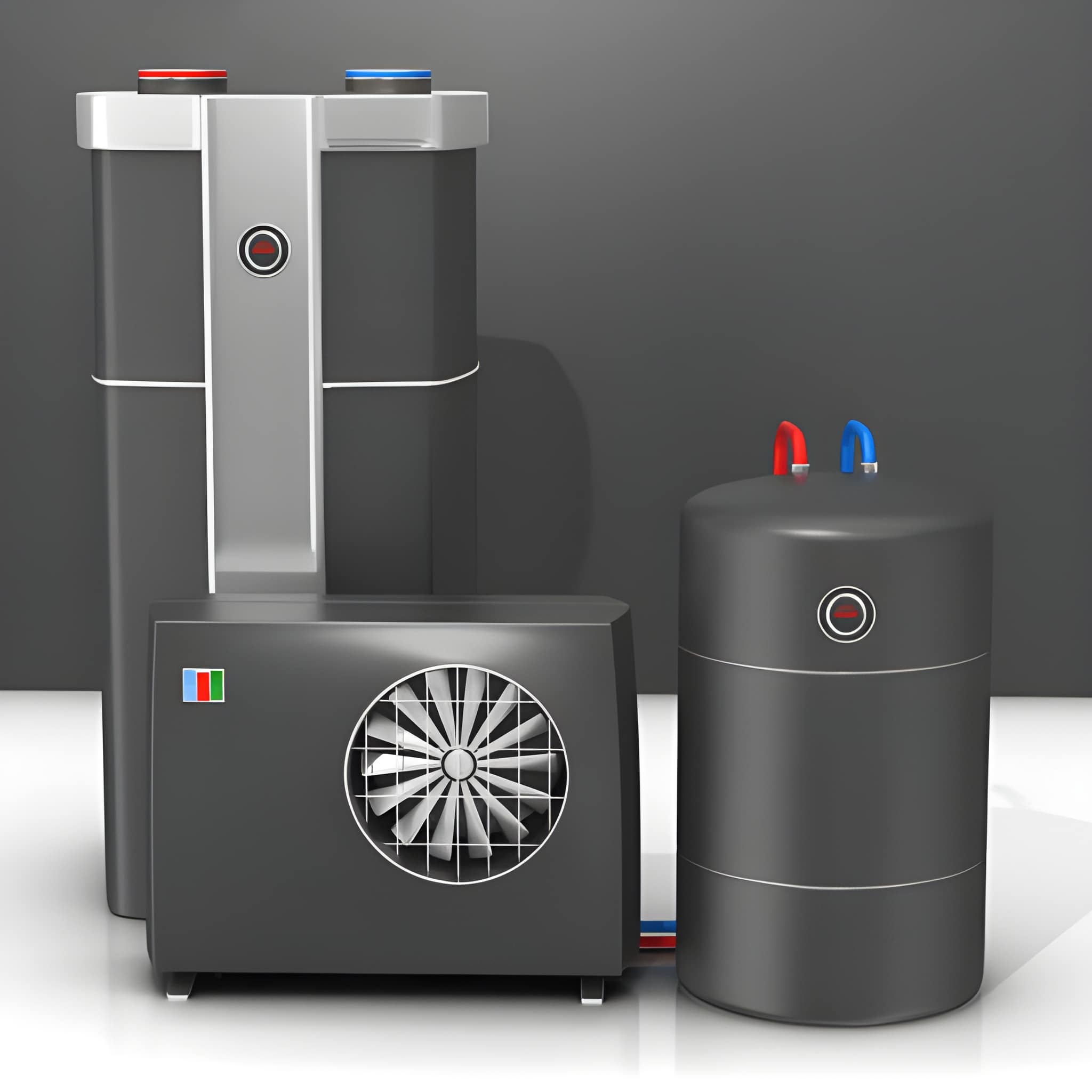
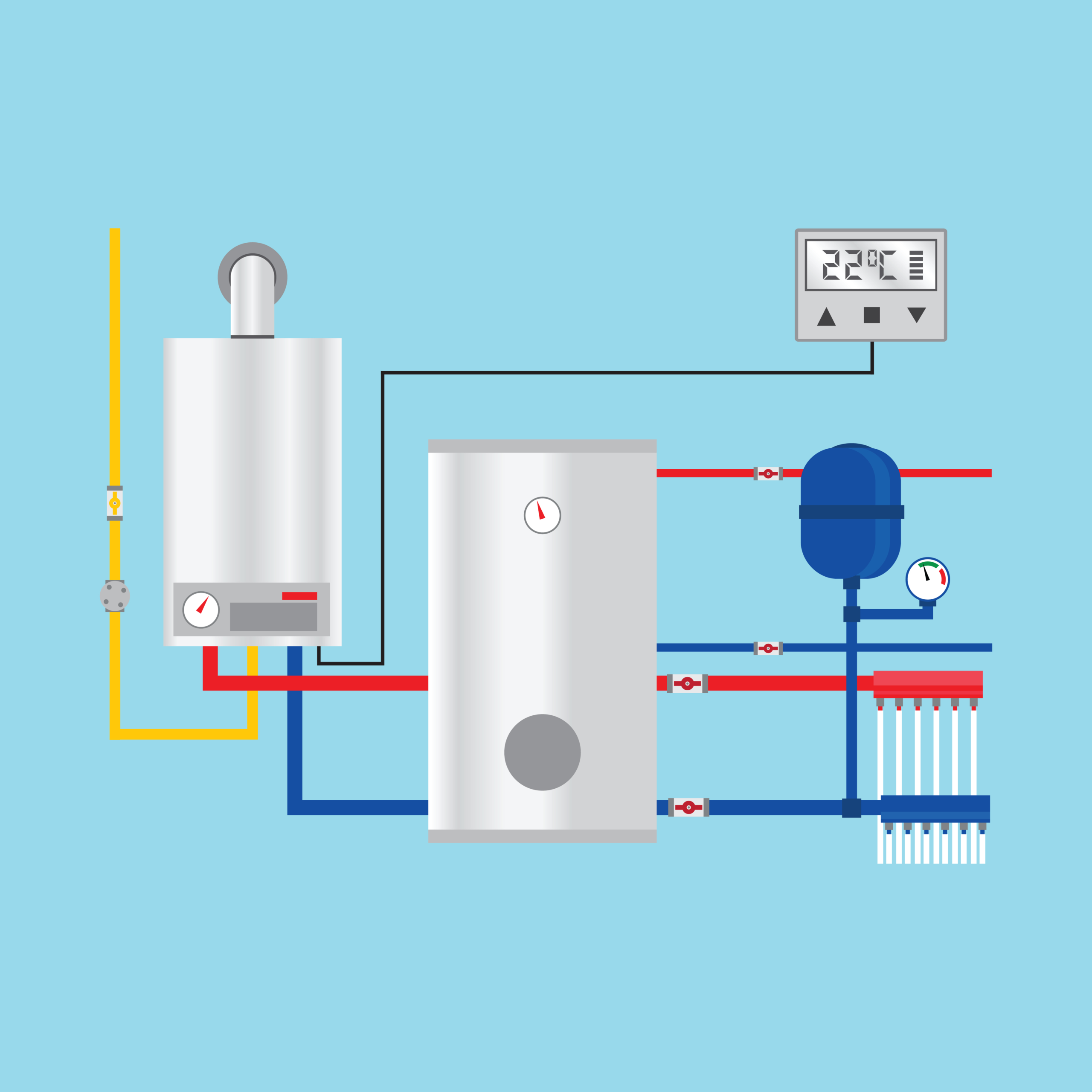
Upgrading to clean HVAC systems dramatically improves air quality. Heat pumps eliminate combustion pollutants entirely—no carbon monoxide, no particulate matter, no fuel storage risks.
The Connection Between Energy Efficiency and Air Quality
Better insulation and air sealing don’t just save energy—they improve air quality when done correctly. The key is balancing a tight building envelope with proper mechanical ventilation.
- Seal uncontrolled air leaks that let in outdoor pollutants
- Upgrade insulation to maintain comfortable temperatures
- Install controlled ventilation to bring in filtered fresh air
- Add air purification to remove remaining pollutants
Take the First Step Toward Lower Energy Bills
The NYS Clean Heat program runs through 2025 with current rebate levels. Federal tax credits are also available through the end of 2025. Taking action now maximizes your savings opportunity.
We work with NYSERDA-approved contractors, handle Con Edison rebate processing, and ensure your installation qualifies for all available incentives. Our team manages permits, coordinates with your utility company, and completes installation with minimal disruption to your household.

NYSERDA Programs which may help you reduce the costs
- EmPower+ Program: Income-eligible households can receive no-cost energy efficiency improvements capped at $5,000-$10,000 per project, including insulation, air sealing, and HVAC upgrades.
- Cleaner Indoor Air: No combustion means no carbon monoxide risk and fewer indoor air pollutants, especially important if replacing a gas or oil system.
- Moisture Removal: The unit draws moisture from surrounding air, reducing humidity in damp NYC basements. This can reduce or eliminate the need for a separate dehumidifier.
- Environmental Impact: Prevents approximately one ton of greenhouse gas emissions annually compared to standard models. If every residential electric water heater in the U.S. switched to heat pumps, emissions would drop by 140 billion pounds per year.
- Longer Lifespan: Heat pump water heaters last 13-15 years compared to 10-12 years for traditional storage models.
Installation Process and Timeline
Professional installation takes 4-8 hours depending on your home’s configuration. Here’s what to expect:
- Assessment: We evaluate your space, electrical system, and hot water needs to confirm compatibility and proper sizing.
- Preparation: If needed, electrical upgrades are completed. We ensure proper drainage for condensate removal.
- Removal: Your old water heater is safely disconnected and removed.
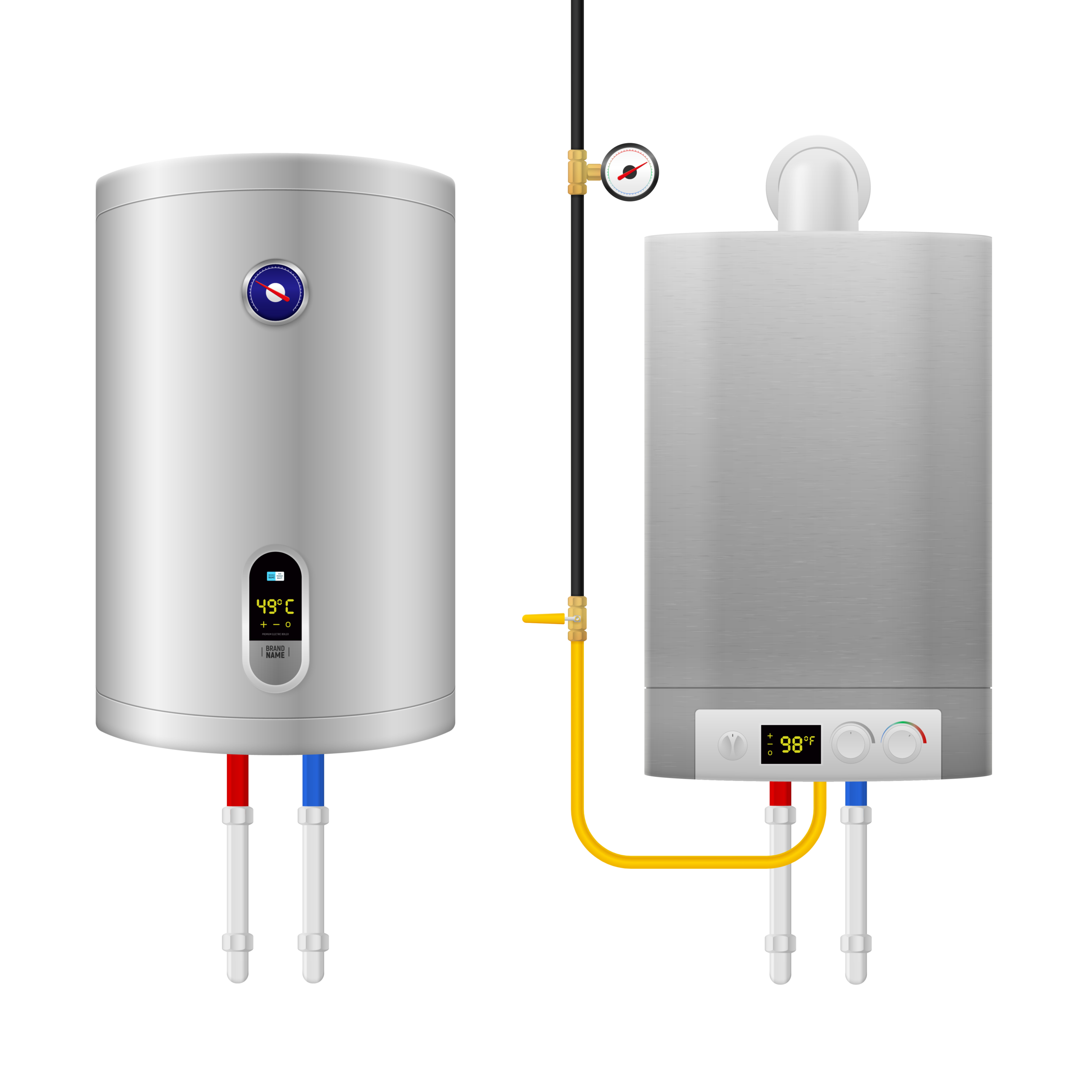
- Installation: The new heat pump water heater is installed, connected to electrical and plumbing systems, and tested.
- Verification: We confirm the unit operates correctly and educate you on basic maintenance.
Why Professional Installation Matters
Heat pump water heater installation involves electrical work, plumbing connections, and condensate drainage. Professional installation ensures:
- Compliance with NYC building codes and safety regulations
- Proper electrical connections to prevent hazards
- Correct condensate drainage to prevent water damage
- Warranty protection (DIY installation often voids manufacturer warranties)
- Access to rebate programs that require approved contractors