Free Home Energy Audit Services in NYC | NYSERDA Approved
Stop Wasting Money on High Energy Bills
If you’re a New York City homeowner, you already know: energy costs here are among the highest in the nation. NYC residents pay an average of 27.2 cents per kilowatt hour for electricity, about 42% higher than the national average. For the typical NYC household, that translates to monthly electric bills of $170-$275, or over $3,100 per year.
But here’s what most homeowners don’t realize: most homes lose 25-40% of their heating and cooling energy through air leaks, poor insulation, and outdated systems. That’s hundreds or even thousands of dollars escaping through your walls, windows, and attic every year.
A professional home energy audit identifies exactly where you’re losing money and shows you how to fix it.
Check For Eligible Rebates
"*" indicates required fields
Our Partners







What Is a Home Energy Audit?
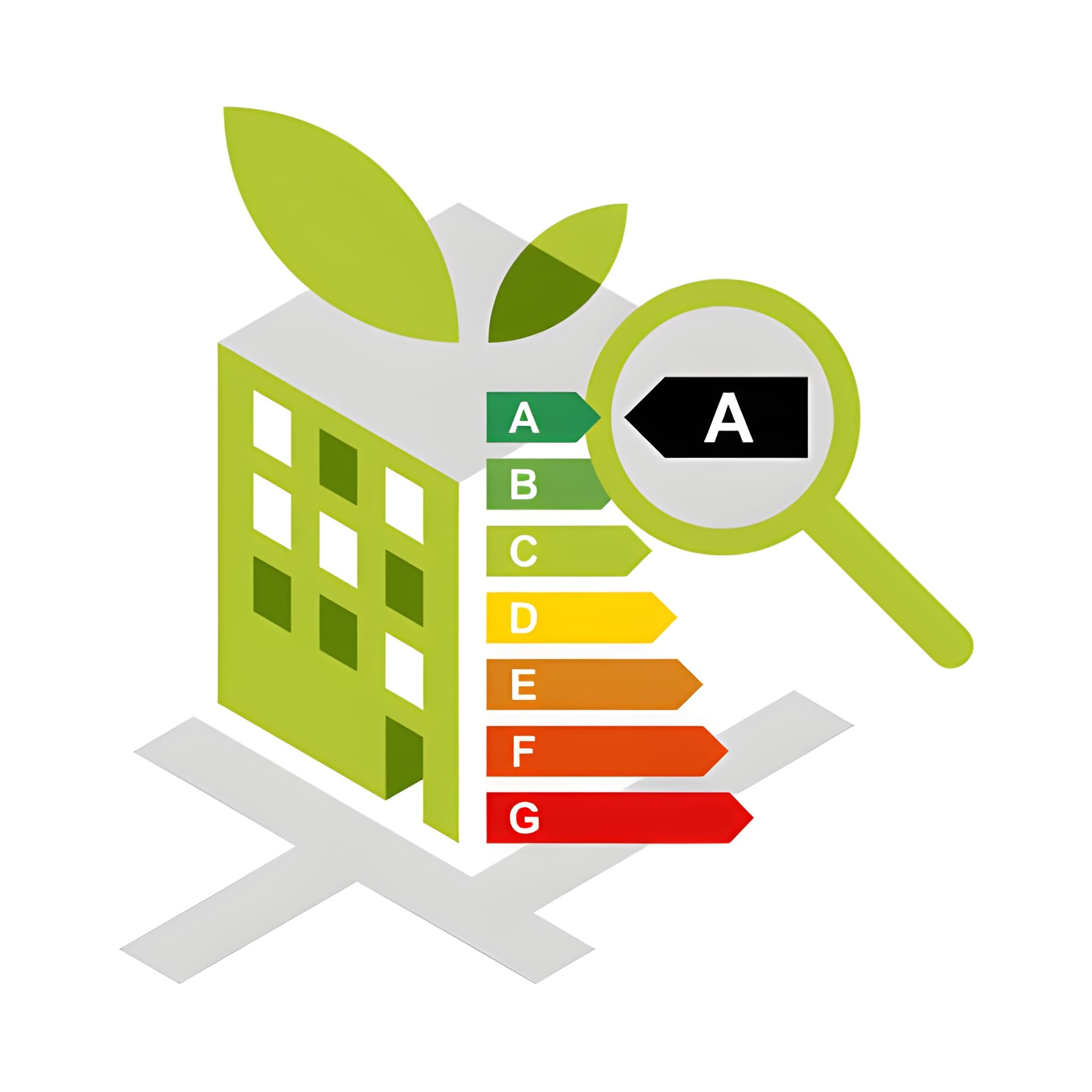
A home energy audit is a comprehensive inspection of your home’s energy performance conducted by a certified energy auditor. Think of it as a health checkup for your house. During the 2-4 hour assessment, an auditor uses specialized diagnostic equipment to measure how efficiently your home uses energy and where improvements will have the biggest impact.This isn’t someone with a clipboard taking notes. Our certified auditors bring:
- Blower door equipment to measure air leakage throughout your home
- Infrared thermal cameras to see exactly where heat escapes through walls, windows, and ceilings
- Combustion analyzers to check for carbon monoxide leaks and ensure your heating system is safe
- Moisture meters to detect hidden problems that could lead to mold or structural damage
What Our Auditors Inspect
Heating and Cooling Systems
Your HVAC system accounts for about 52% of your home's energy use. We inspect furnaces, boilers, air conditioners, and heat pumps for efficiency, proper sizing, and maintenance needs. We also check ductwork for leaks that waste conditioned air.
Insulation Levels
We measure insulation in your attic, walls, basement, and crawl spaces. Many NYC homes, especially older brownstones and row houses, have inadequate or deteriorated insulation that lets expensive heated and cooled air escape.
Air Sealing
Using blower door testing, we pinpoint air leaks around windows, doors, electrical outlets, plumbing penetrations, and other gaps. Sealing these leaks is often the most cost-effective improvement you can make.
Windows and Doors
We assess the condition and efficiency of your windows and doors, identifying opportunities for weatherstripping, caulking, or replacement.
Hot Water System
Water heating is typically the second-largest energy expense in your home. We evaluate your water heater's age, efficiency, and size to determine if an upgrade would save you money.
Ventilation
Proper ventilation is essential for indoor air quality. We make sure your home has adequate fresh air without wasting energy.
What You Get From Your Energy Audit
Your comprehensive energy audit report includes:
- Energy Performance Analysis: See exactly how much energy your home uses compared to similar homes in NYC, and identify your biggest energy drains.
- Prioritized Improvement List: Get specific recommendations ranked by their return on investment, from quick fixes to major upgrades.
- Estimated Savings: Know how much you'll save on your energy bills for each recommended improvement.
- Health and Safety Check: Identify potential carbon monoxide leaks, ventilation issues, and other safety concerns that could put your family at risk.
- Rebate and Incentive Guidance: Find out which improvements qualify for NYSERDA rebates, utility incentives, and federal tax credits worth up to $3,200 per year.
NYC-Specific Energy Challenges We Address
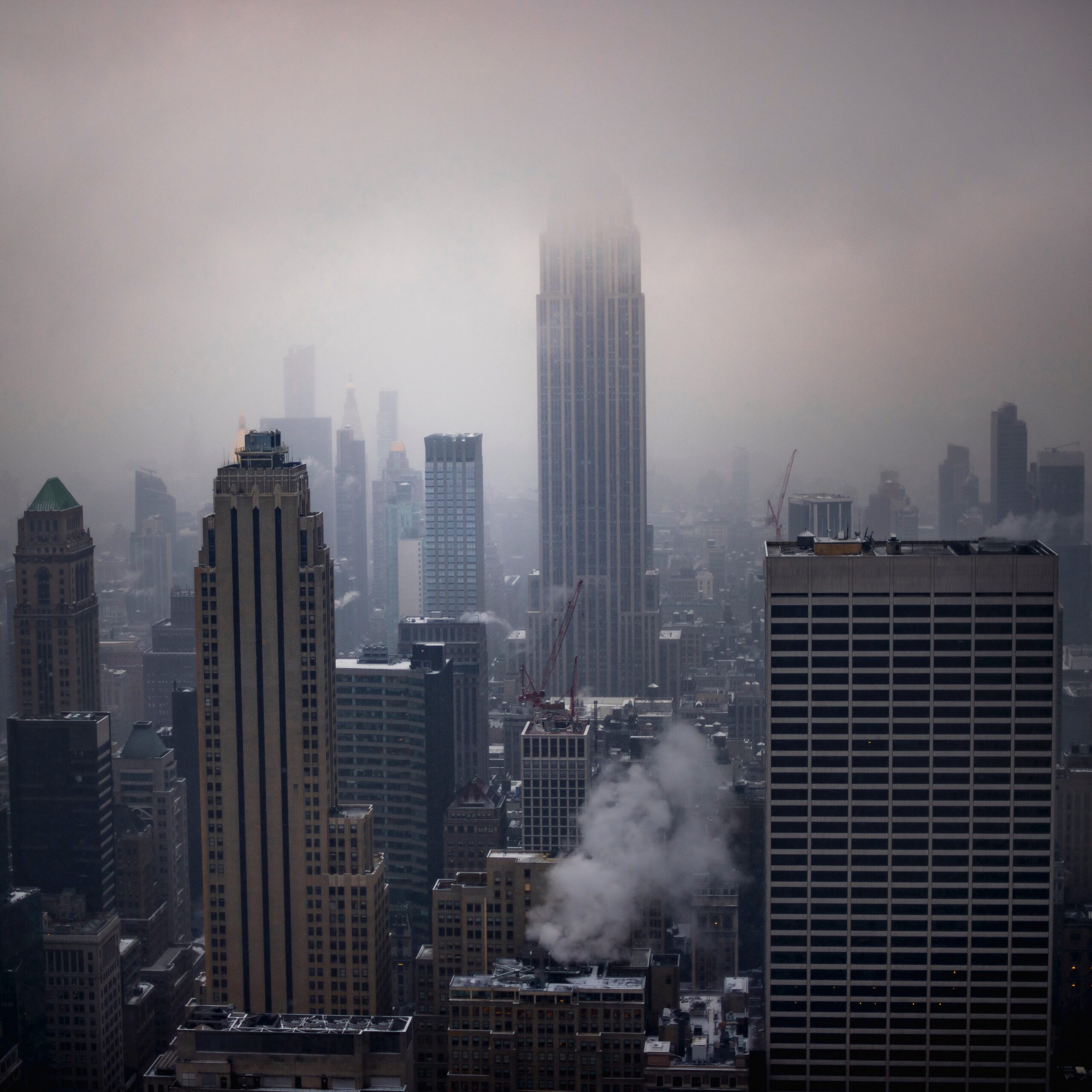
New York City homes face unique energy efficiency challenges:
- Older Housing Stock: Many NYC brownstones, row houses, and pre-war buildings were constructed before modern insulation standards existed. These homes often have solid masonry walls with little to no insulation.
- High Energy Costs: With electricity rates at 27.2 cents per kWh and utility costs climbing, even small inefficiencies add up quickly. Utility debt in New York has doubled from $782 million to $1.8 billion in 2025.
- Extreme Weather: NYC winters demand heavy heating, and increasingly hot summers require more air conditioning. Climate data shows that by 2080, NYC could experience ten heat waves each summer with six times more days above 90°F.
- Shared Walls: Row houses and multi-family buildings have different insulation needs and opportunities compared to detached homes.
Take the First Step Toward Lower Energy Bills
An energy audit is the smartest investment you can make in your home. It pays for itself through energy savings, qualifies you for thousands in rebates and tax credits, improves your comfort, and protects your family’s health and safety.
With NYC energy costs climbing and new rate hikes on the horizon, now is the time to take control of your energy bills.

Who Qualifies for a Free or Low-Cost Audit
All NYC Homeowners: Through various NYSERDA programs, most New York homeowners of one-to-four family homes can access affordable or no-cost energy audits.
Income-Eligible Homeowners: If your household income is below 80% of the State or Area Median Income, you may qualify for EmPower+, which provides:
- 100% free comprehensive home energy audit
- No-cost direct installation of immediate improvements during the audit
- Up to $10,000 in free energy efficiency upgrades for low-income households (below 60% median income)
- Up to 50% off energy upgrades (up to $5,000 discount) for moderate-income households
Why Get Your Audit Now
Rising Energy Costs
Con Edison proposed an electricity rate hike that would raise the average household bill by $31 per month ($372 per year). Acting now helps you reduce consumption before rates increase further.
Federal Tax Credits
The Energy Efficient Home Improvement Credit allows you to claim up to $3,200 per year for qualifying improvements, including $150 toward the audit itself.
Limited Program Availability
Some NYSERDA programs have closed or are transitioning. The Residential Energy Assessment Program closed in December 2025, though new programs are launching.
Immediate Comfort Improvements
Stop dealing with drafty rooms in winter and hot spots in summer. Most homeowners notice comfort improvements within days of implementing recommendations.
What Happens After Your Audit
- Review Your Report: We sit down with you to explain every finding, answer questions, and prioritize improvements based on your budget and goals.
- Apply for Rebates and Incentives: We help you identify and apply for all available NYSERDA rebates, utility incentives, and federal tax credits.
- Choose Your Improvements: You decide which upgrades to tackle first. There's no obligation to make any improvements.
- Get the Work Done: If you choose to move forward, we can perform the work or coordinate with trusted contractors for specialized jobs.
- Verify Rebate Eligibility: We ensure all work meets program requirements and handle final paperwork so you receive your rebates.
- Start Saving: You'll see lower energy bills starting with your next utility statement.