
Professional Air Sealing Services in New York City
Stop Wasting Money on Heating and Cooling Air That Escapes Your Home
If your NYC home feels drafty in winter, stuffy in summer, or your energy bills seem too high, air leaks are likely the problem. Air leaks account for between 25-40% of the energy used for heating and cooling in a typical home. That means you’re literally paying to heat and cool the outdoors.
We help New York City homeowners seal these leaks permanently, reducing energy waste by 30-50% while making homes more comfortable year-round.
Check For Eligible Rebates
"*" indicates required fields
Our Partners








What Air Sealing Does for Your NYC Home
- Lower Energy Bills — Proper insulation and air sealing can save you up to 20% on heating and cooling costs. In NYC where heating and cooling costs run high, that's significant money back in your pocket every month.
- Stop Drafts and Cold Spots — No more cold floors in winter, hot bedrooms in summer, or rooms that never feel comfortable. Air sealing creates consistent temperatures throughout your home.
- Better Indoor Air Quality — Air sealing prevents outdoor pollutants, allergens, and moisture from entering your home, keeping dust, pollen, mold, and city pollutants outside where they belong.
- Prevent Moisture and Mold — Sealed homes control humidity better, reducing the risk of mold growth, water damage, and structural problems that plague many NYC buildings.
- Less Strain on Your HVAC System — When conditioned air stays inside, your heating and cooling equipment doesn't work as hard, lasting longer and needing fewer repairs.
How We Find Air Leaks: The Blower Door Test
A blower door consists of a frame and flexible panel that fit in a doorway, a variable-speed fan, and a digital pressure gauge to measure the pressure differences inside and outside the home.Here’s how the process works:
- Setup — We install a calibrated fan in your exterior doorway and close all windows and doors
- Depressurization — The fan pulls air out of your home, creating lower pressure inside
- Air Infiltration — Outside air rushes in through every crack, gap, and hole in your building envelope
- Detection — We use infrared cameras and smoke pencils to pinpoint exactly where leaks occur
- Measurement — We calculate your home's air leakage rate in Air Changes per Hour (ACH)
Common Air Leak Locations in NYC Homes
- Attics — The biggest energy waster in most homes. Gaps around attic hatches, recessed lighting, plumbing vents, and where walls meet the roof cause massive heat loss in winter and heat gain in summer.
- Basements and Crawl Spaces — Foundation gaps, rim joists (where your floor meets the foundation), and utility penetrations for pipes, wires, and ducts leak heavily.
- Windows and Doors — Not the glass itself, but gaps between frames and walls, worn weatherstripping, and poor installation allow air to escape.
- Electrical Outlets and Switches — Especially on exterior walls, these penetrations connect directly to the outside through gaps in insulation.
- Around HVAC Equipment — Ductwork in unconditioned spaces, furnace flues, and air handler connections often have significant leaks.
Why Air Sealing Before Equipment Upgrades
If you’re considering a new heating or cooling system, air seal first. Taking these upgrades first can offset the cost of new heating and cooling systems by making it possible to heat and cool your home with smaller, less expensive equipment.
When your home retains conditioned air better, you can install a smaller, more efficient HVAC system that costs less to purchase, costs less to operate, and still keeps your home perfectly comfortable.
NYC's Strict Energy Code Requirements
New York City takes building air tightness seriously. The current New York State residential code requires new homes to have air leakage no greater than 3 ACH50. The 2020 NYCECC requires that buildings between 10,000 and 50,000 square feet and less than 75 feet in height perform a blower door test and certify that the air leakage is less than 0.4 cubic feet per minute of enclosed building area.
Even if your building isn’t subject to these requirements, meeting these standards improves comfort and reduces energy costs significantly.
Professional Air Sealing Methods We Use
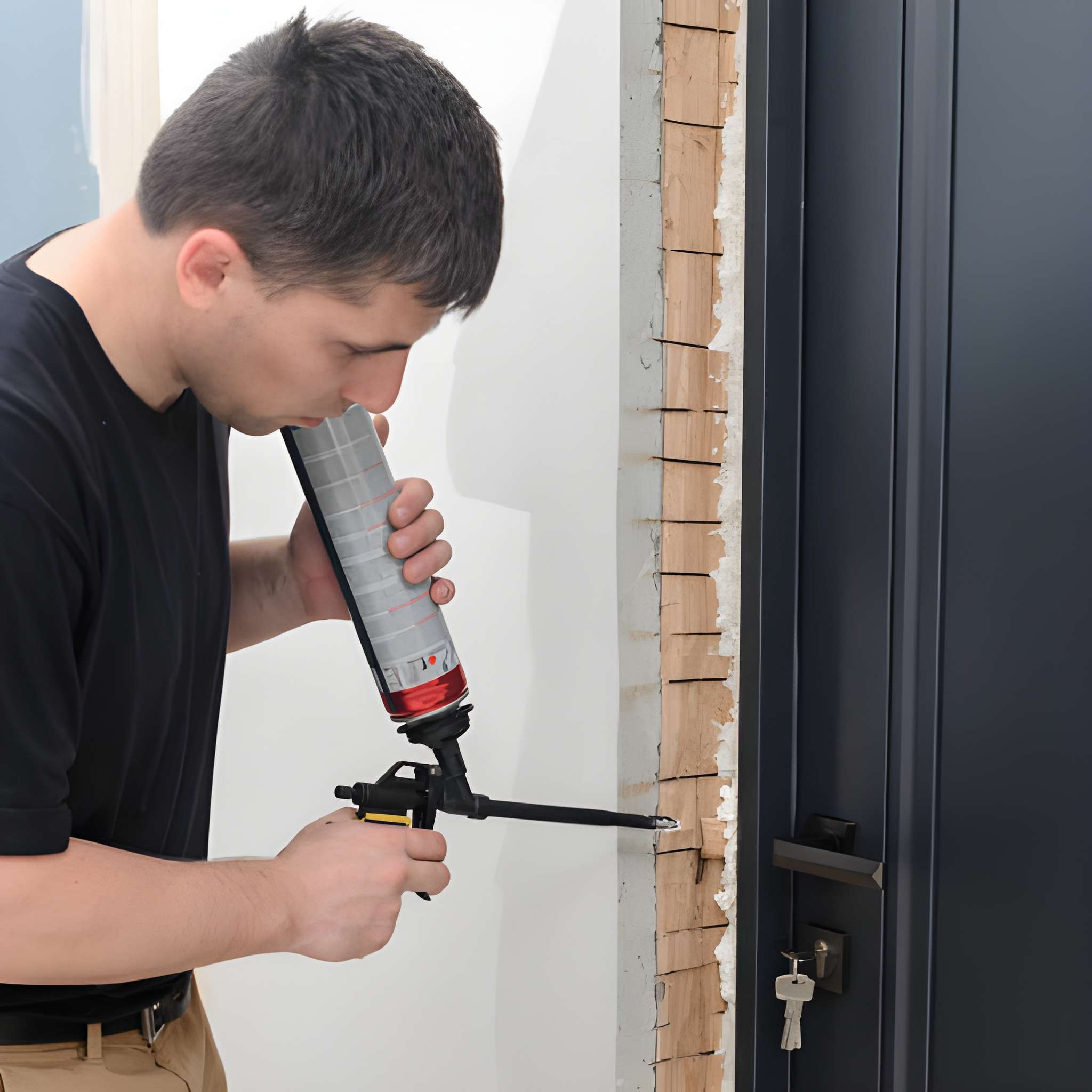
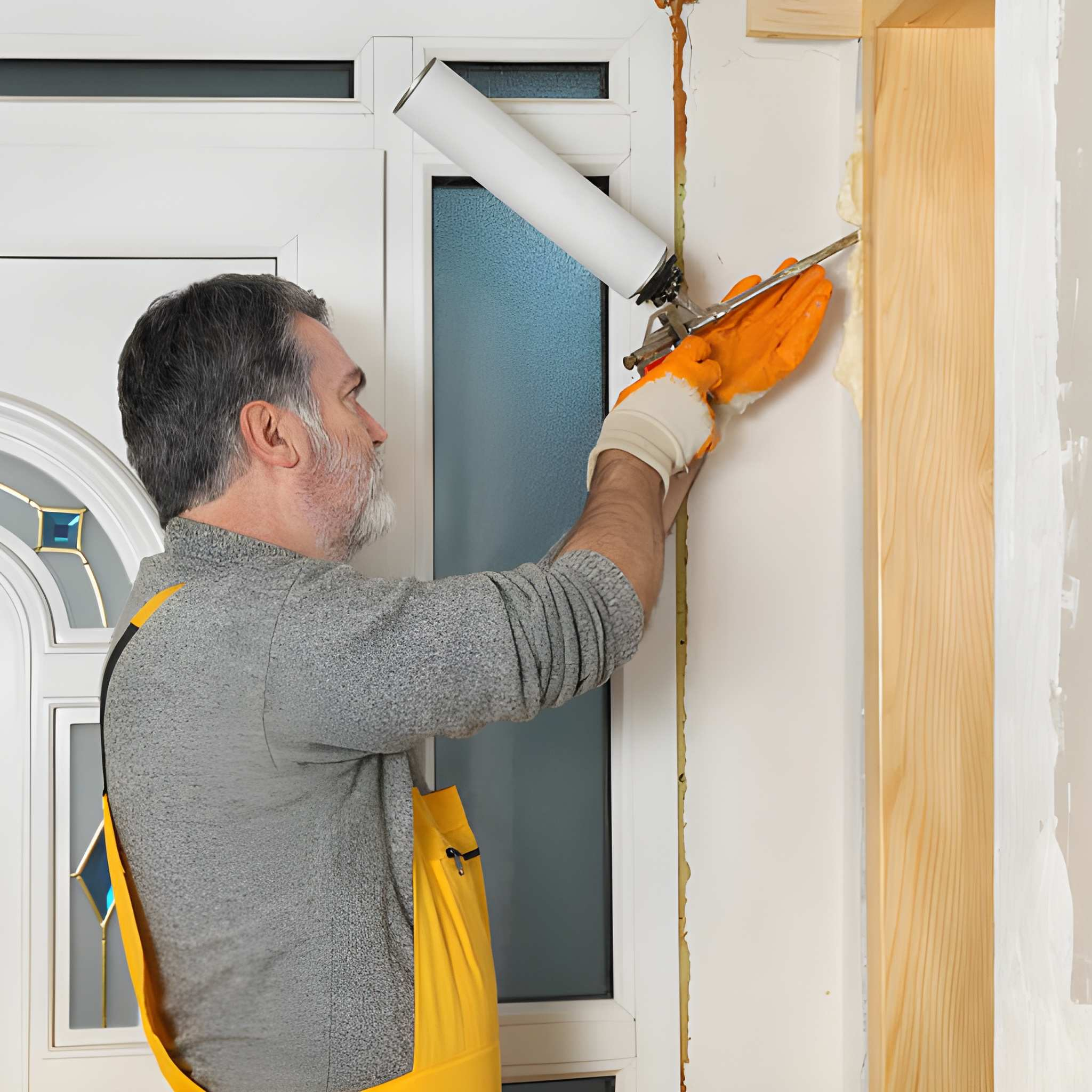
- Spray Foam — Expands to fill gaps around pipes, wires, and irregular openings. We use closed-cell foam for moisture-prone areas like basements.
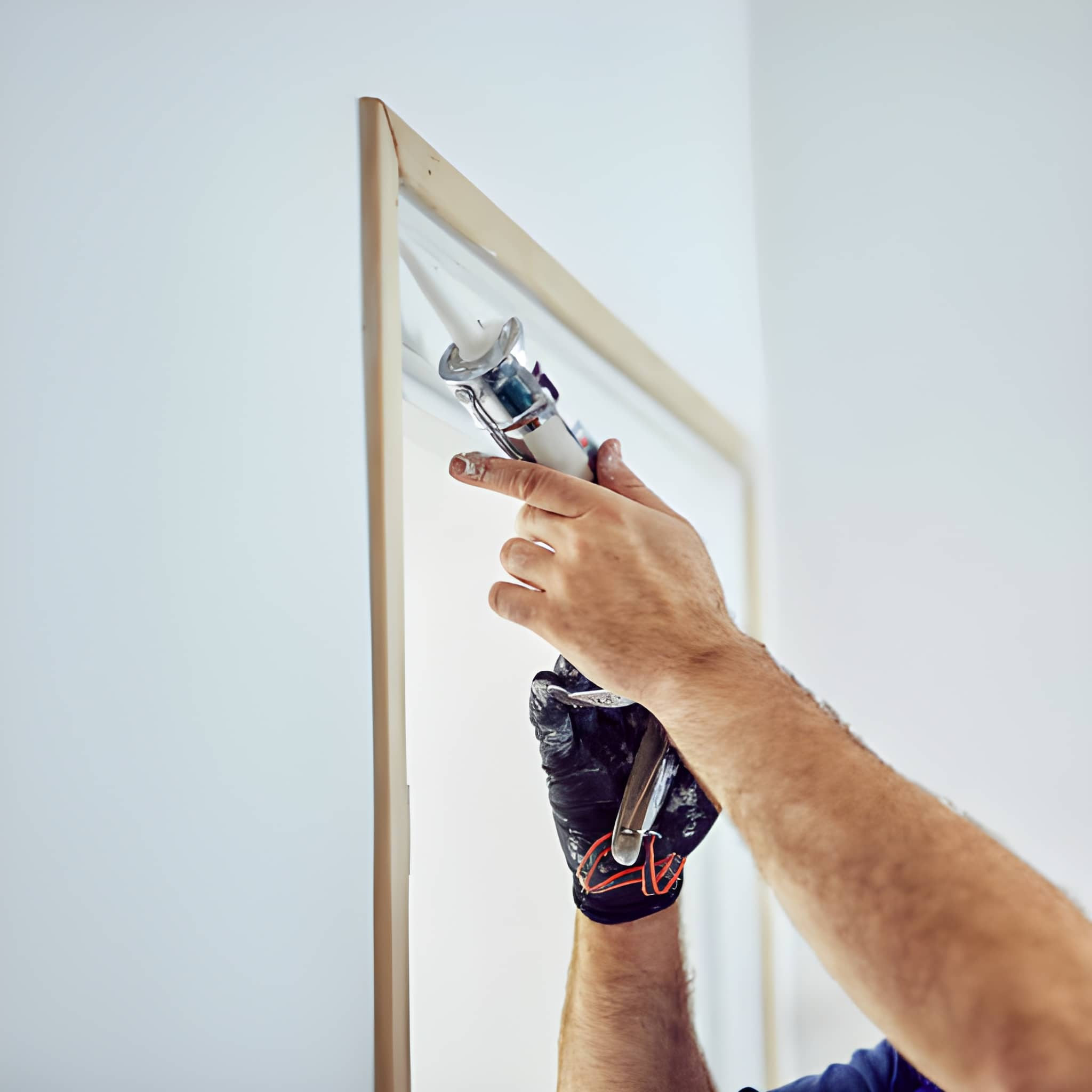
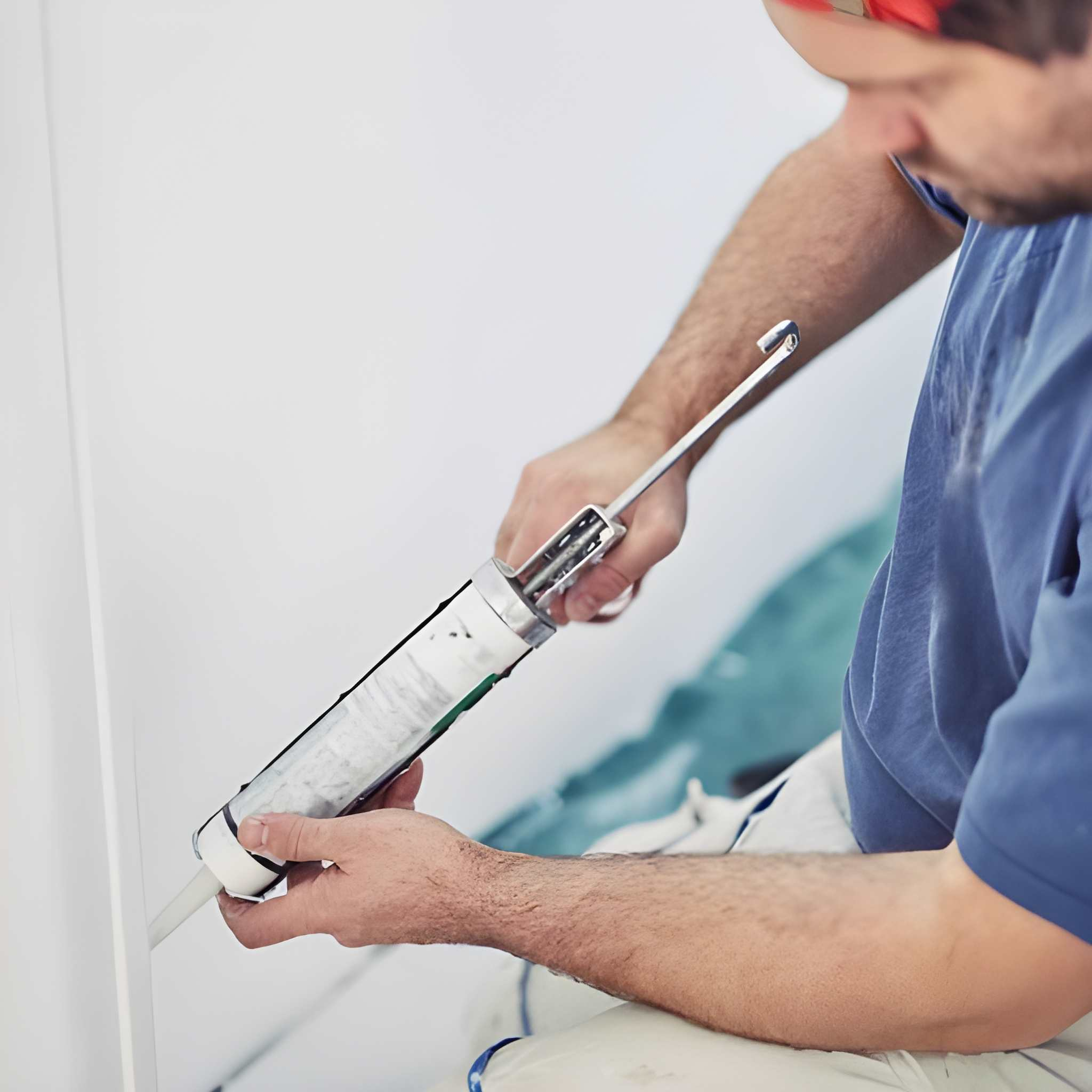
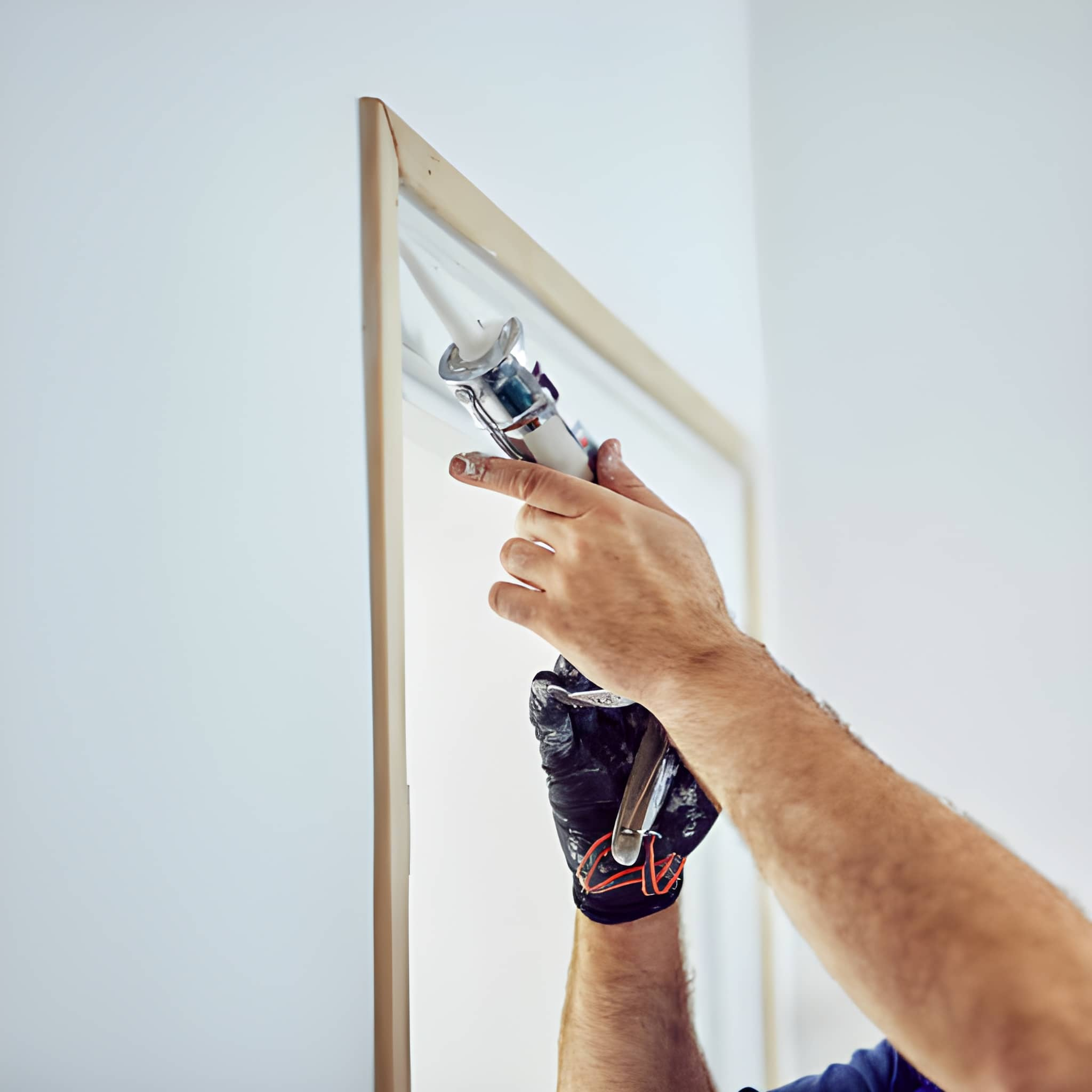
- Caulk and Sealants — For cracks and gaps between stationary components like window frames and door jambs. We select the right type for interior versus exterior applications.
- Weatherstripping — Applied to moving components like doors and operable windows to create a flexible seal that maintains effectiveness over time.
- Duct Mastic and Metal Tape — According to Energy Star, about 20% of the air that moves through your home is lost due to leaks, holes, and poorly connected ducts.
- Rigid Foam Board — Installed on rim joists and other large surface areas needing insulation and air sealing.
The Stack Effect: Why NYC Buildings Leak More
Warm air in a home rises because it is less dense than cool air, and pushes up against the top of a home, increasing pressure in the attic area. As air has left the basement, a negative pressure is created, which draws in cold air from the outside.
This “stack effect” or “chimney effect” is stronger in taller buildings — which makes it a particular problem for NYC’s many multi-story brownstones, townhouses, and apartment buildings. During winter, heated air escapes through your attic while cold air gets sucked in through your basement. In summer, the reverse happens.
Proper air sealing from basement to attic breaks this cycle, keeping conditioned air inside where it belongs.
Substantial Financial Incentives Available
New York State and utility companies provide generous incentives for air sealing work:
NYSERDA Comfort Home Program
Incentives from $2,000 to $3,000 may be available for installation of seal and insulate packages, depending on the type of improvements being made.
EmPower+ for Income-Qualified Households
If your family makes less than 60% of the State's median income, you may qualify for the EmPower+ program, which covers 100% of qualifying energy improvements.
Federal Tax Credits
You can get up to $2,300 annually in tax credits through the Inflation Reduction Act (IRA) for insulation projects and replacing windows and doors.
Low-Interest Financing
The On-Bill Recovery Loan is a NYSERDA loan in which your loan payments are built right into your utility bill. With this loan, your monthly payments may not exceed your estimated average monthly energy cost savings.

Free Home Energy Assessment
NYSERDA’s Comfort Home Program makes it easy to make smart investments for a more efficient home now and more affordable clean heating options in the future. We provide a no-cost, no-obligation home energy assessment that includes:
- Complete blower door test to measure air leakage
- Infrared thermal imaging to locate hidden leaks
- Inspection of insulation levels throughout your home
- Safety testing of combustion appliances
- Detailed report of findings and recommendations
- Custom estimate showing projected savings
- Full explanation of available rebates and financing
Get Started with Professional Air Sealing
Don’t keep paying to heat and cool the outdoors. Professional air sealing typically pays for itself within 3-5 years through reduced energy bills, and many NYC homeowners see immediate comfort improvements.
We serve all five boroughs and surrounding areas, working with single-family homes, multi-family buildings, co-ops, condos, and rental properties. Our certified technicians use Building Performance Institute (BPI) standards and comply with all NYC building codes.
Contact us today to schedule your free home energy assessment and discover how much you can save with professional air sealing.
Frequently Asked Questions (FAQs)
Most homes require 1-3 days depending on size and the extent of leaks found. We’ll provide an accurate timeline after your home energy assessment.
No. We seal unintentional leaks while ensuring adequate controlled ventilation for health and safety. Modern homes need mechanical ventilation, which we can install if needed.
You can tackle simple tasks like caulking windows and adding weatherstripping. However, to achieve the greatest savings, we recommend hiring a professional contractor. Contractors can look at air sealing your home more holistically and provide the most energy savings.
While insulation creates a barrier between the living spaces of your home and the outdoors, air sealing works to prevent unwanted air from coming in as well as keeping your conditioned air inside. You need both for maximum efficiency.
Most homeowners notice comfort improvements immediately and see reduced energy bills starting with their next utility cycle.
Absolutely. Older NYC buildings often have the most significant air leaks and see the biggest improvements from professional air sealing.
We follow EPA lead-safe practices for pre-1978 homes and work carefully to avoid disturbing painted surfaces.