Menu
Home Efficiency Rebates Program in New York
Improving your home’s energy efficiency not only lowers utility bills — it increases comfort, improves indoor air quality, and reduces overall energy consumption. Through New York’s Home Efficiency Rebates, eligible homeowners can receive significant financial incentives when upgrading insulation, HVAC systems, air sealing, windows, and other efficiency measures.

What Are Home Efficiency Rebates?
Home Efficiency Rebates are financial incentives offered through NYSERDA (New York State Energy Research and Development Authority) to help homeowners reduce energy waste and modernize home performance systems. These rebates offset part of the cost of eligible energy-saving improvements.
Instead of paying the full cost out of pocket, homeowners can claim rebates — making efficiency upgrades more affordable. These rebates are part of New York’s broader effort to reduce carbon emissions, increase energy independence, and support energy cost savings for families.
Who Can Qualify
These rebates are designed for residential homeowners within New York State. Qualification typically requires
- The property must be a primary residence (single-family, townhouse, or multi-family up to four units).
- The home must meet minimum eligibility criteria set by NYSERDA.
- Work must be completed by qualified contractors and documented with proper receipts.
- Work must be completed by qualified contractors and documented with proper receipts.

Estimated Savings & Rebate Amounts
Rebate levels vary by type of upgrade and sometimes by household income. Examples include
- Air Sealing: Up to hundreds of dollars, based on square footage sealed.
- Insulation: Several hundred to over $1,000, depends on material and area.
- HVAC/Heat Pumps: Per window rebate Often requires higher SEER/HSPF ratings
- Efficient Windows: Per window rebate, ENERGY STAR® required
- Heat Recovery Ventilation: Up to a set maximum Based on ventilation capacity
Start Saving Today
Home Efficiency Rebates make meaningful home upgrades financially accessible and technically justified. Reducing energy waste protects your budget and the environment.
Ready to unlock rebates and lower your energy bills? Contact us for a detailed assessment and step-by-step guidance.
Which Energy Efficiency Upgrades Are Covered?
Home Efficiency Rebates focus on improvements that measurably reduce energy loss, improve system performance, and lower long-term utility costs. Eligible upgrades typically address the home’s building envelope, heating and cooling systems, and air quality controls. Below are the most common efficiency measures covered under NYSERDA-backed home efficiency programs.
Air Sealing Improvements
Air sealing addresses leaks around attic openings, basements, duct penetrations, and window or door frames. These leaks cause heat loss in winter and heat gain in summer. By sealing these gaps, homes maintain stable indoor temperatures and reduce HVAC strain. Rebates are based on verified sealing work completed after an energy assessment.
Insulation Upgrades
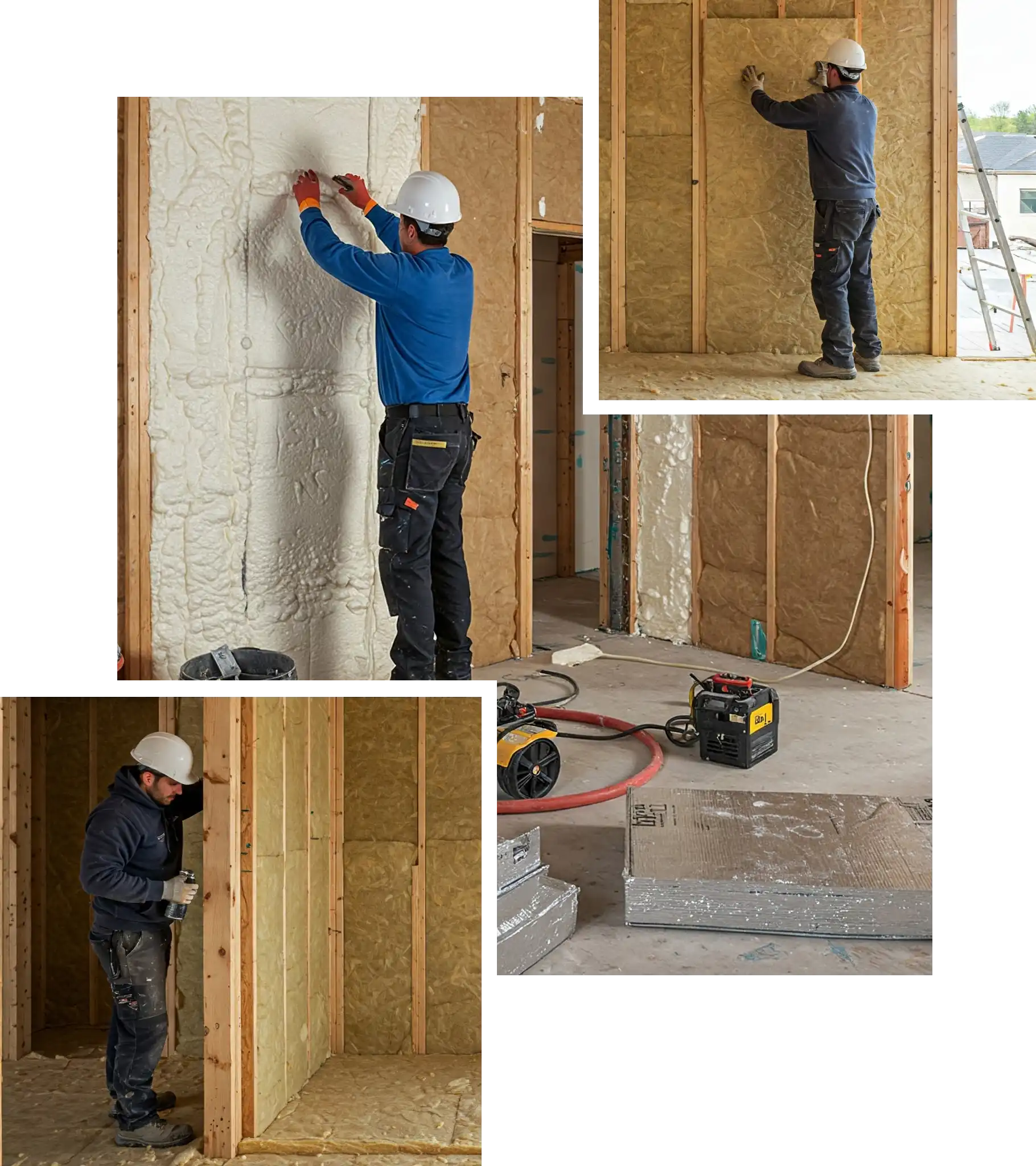
Insulation improvements help slow heat transfer through attics, walls, basements, and crawl spaces. To qualify, insulation must meet program-defined R-value requirements.
Better insulation reduces energy use and improves comfort year-round. Rebates depend on the area insulated and the material installed.
Heating and Cooling System Upgrades
High-efficiency HVAC systems use less energy to provide consistent heating and cooling. Eligible systems must meet minimum efficiency ratings set by the program. Replacing outdated equipment lowers operating costs and improves reliability. Rebates help offset the higher upfront cost of efficient systems.
Ventilation and Heat Recovery Systems
Ventilation systems with heat recovery improve indoor air quality without significant energy loss. They are especially important in tightly sealed homes.Eligible systems must meet efficiency criteria to qualify for rebates. These upgrades support healthier indoor environments while maintaining energy efficiency.
How the Application Process Works
- Home Assessment:A qualified energy professional conducts an audit to identify eligible improvements and measure current performance.
- Choose Measures:Based on assessment results, select upgrades that best fit your home and budget.
- Install with Certified Contractor:Work must be done by a contractor approved under the NYSERDA network to ensure compliance with program guidelines.
- Submit Documentation:After installation, you submit proof of purchase, contractor invoices, and any required forms to NYSERDA.
- Receive Rebate:Once approved, NYSERDA issues the rebate — either as a direct payment, check, or utility bill credit depending on the program.