Insulations Costs In New York City: A 2026 Homeowner’s Guide
If you’re a New York City homeowner watching your energy bills climb year after year, you’re not alone. With heating and cooling costs accounting for nearly 50-70% of residential energy use, proper insulation isn’t just about comfort—it’s about keeping more money in your pocket.
But here’s what nobody tells you upfront: insulation costs in NYC can vary wildly, from $1,500 for a small attic job to over $15,000 for whole-home solutions. The difference isn’t just about square footage. Building codes, apartment versus house considerations, and the city’s unique housing stock all play a role.
This guide breaks down what you’ll actually pay, what affects those costs, and how to make smart decisions for your specific situation.
Why NYC Insulation Costs Differ from Everywhere Else
New York City presents unique challenges that directly impact insulation pricing. The majority of NYC’s housing stock was built before modern energy codes existed. We’re talking pre-war buildings, brownstones, and century-old row houses that were never designed with energy efficiency in mind.
Building access is another factor. Try getting materials to a fifth-floor walk-up in Brooklyn or coordinating work in a co-op building where you need board approval for everything. These logistical challenges add to labor costs in ways that don’t exist in suburban or rural areas.
Then there’s the regulatory environment. NYC has stricter building codes and permitting requirements than many other cities. Any work that involves changing building envelopes often requires permits and inspections, adding both time and cost to projects.
Cut Your NYC Energy Bills by 15-25% with Smart Insulation Upgrades
Stop overpaying for heating and cooling. Our experienced NYC insulation specialists understand the unique challenges of city buildings—from pre-war brownstones to co-op apartments. As a NYSERDA-approved contractor, we help you access rebates covering up to 50% or more of project costs, making professional insulation affordable. Get a free home energy assessment and detailed quote that shows exactly what you'll pay and save.
Breaking Down Insulation Costs by Type
Understanding your options helps you make informed decisions. Here’s what different insulation types actually cost in the NYC market as of 2026:
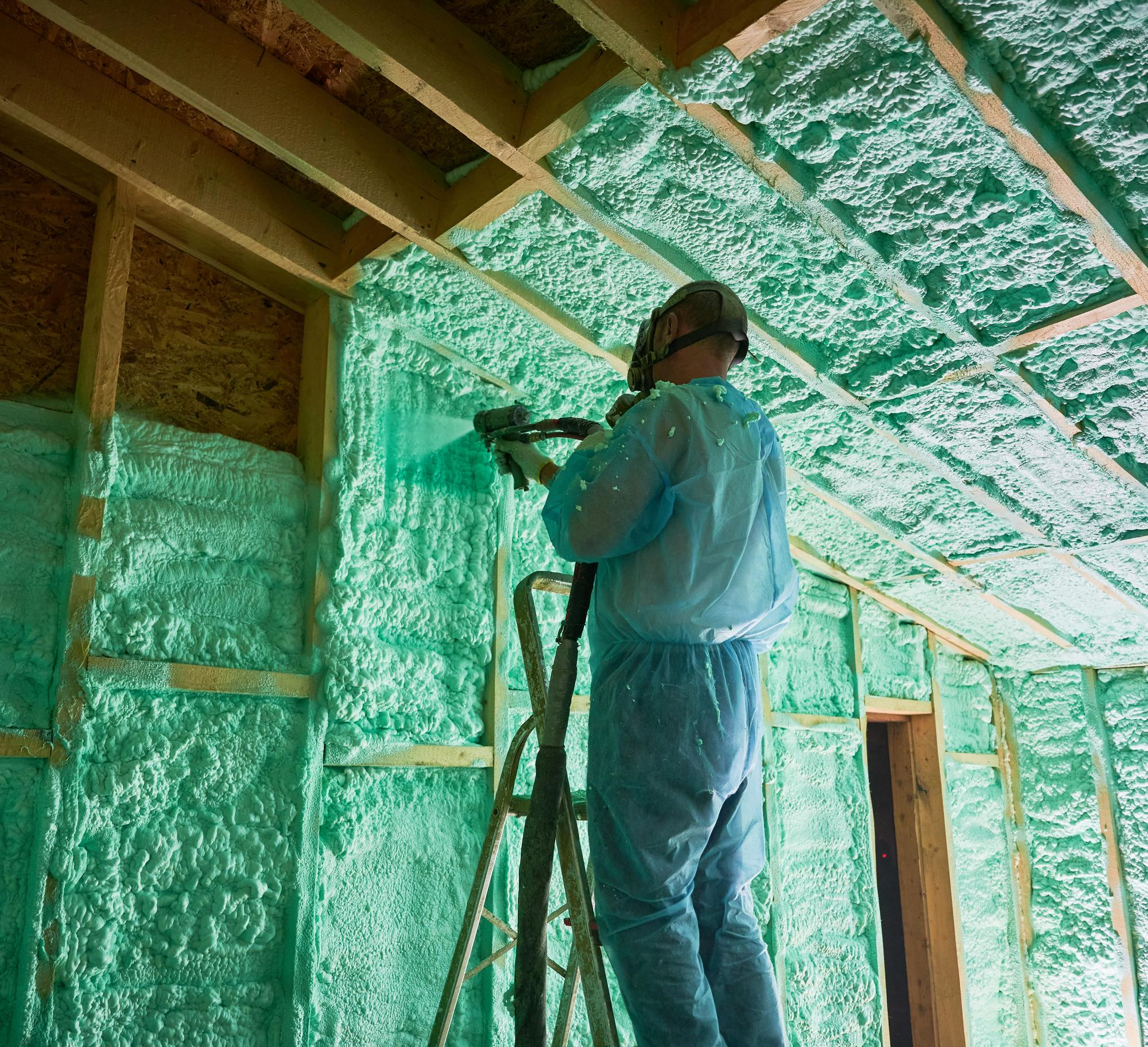
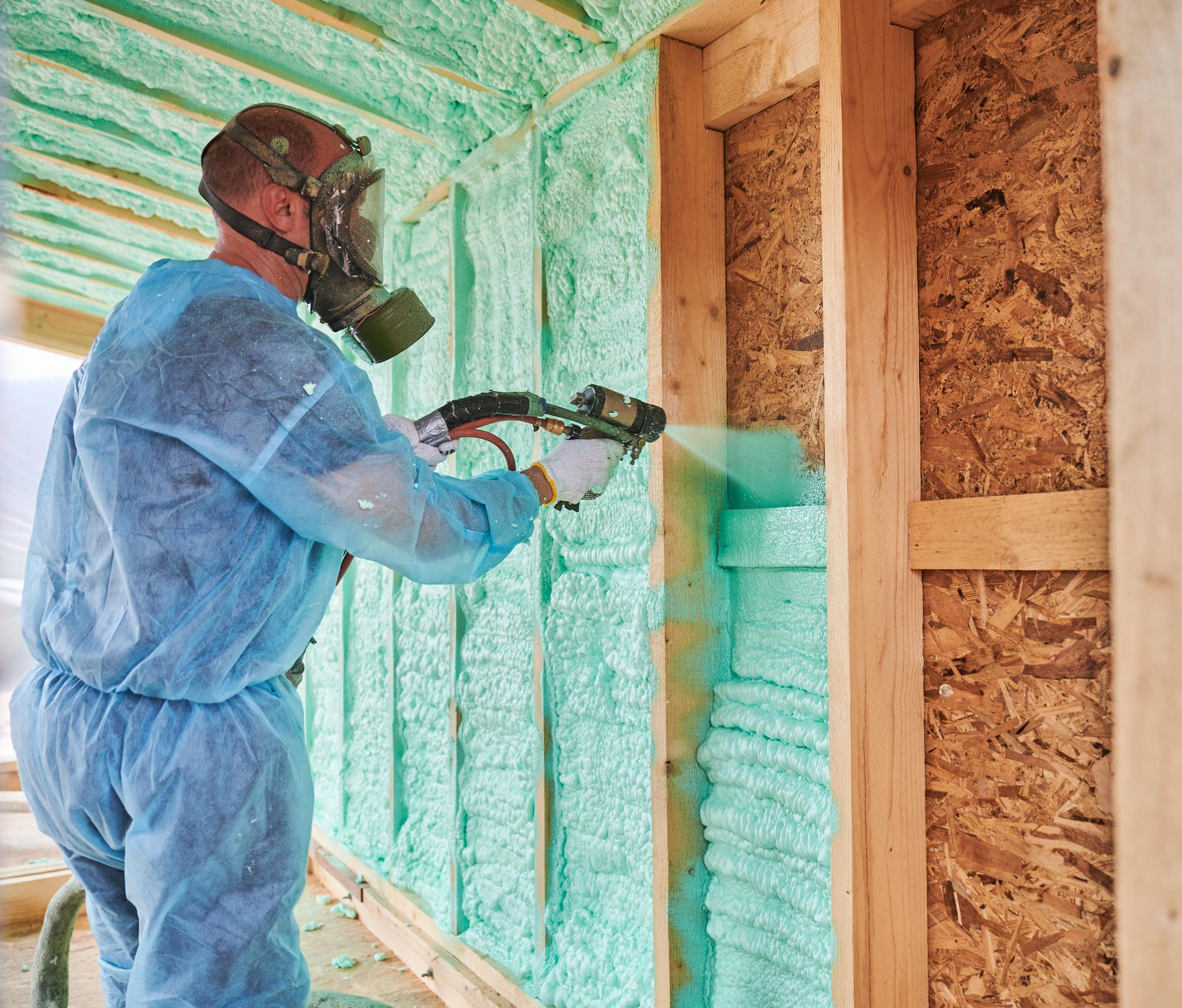
Spray Foam Insulation ranges from $3 to $7 per square foot installed. This is the premium option with the highest R-value per inch. A typical 1,000 square foot attic might run $3,000 to $7,000. The higher cost reflects both material expense and the specialized equipment and training required for proper installation. Spray foam creates an air seal while insulating, which makes it particularly effective in older NYC buildings with lots of air leakage.
Blown-In Cellulose or Fiberglass costs $1.50 to $3.50 per square foot. For that same 1,000 square foot attic, you’re looking at $1,500 to $3,500. This option works well for attics and can be installed relatively quickly. The material is often made from recycled content, which appeals to environmentally conscious homeowners.
Batt Insulation (fiberglass or mineral wool) runs $0.65 to $2.50 per square foot installed. This is your most budget-friendly option, costing $650 to $2,500 for 1,000 square feet. However, installation quality matters tremendously with batts—gaps and compression reduce effectiveness significantly.
Rigid Foam Board costs $2.50 to $5 per square foot. It’s commonly used for basement walls and exterior applications. A basement insulation project might run $2,500 to $5,000 for an average NYC basement.
What You’ll Pay for Common NYC Insulation Projects
Let’s get specific about actual projects NYC homeowners tackle:
Attic Insulation in a typical brownstone or single-family home (800-1,200 square feet of attic space) runs $2,000 to $8,000 depending on access, current insulation removal needs, and chosen materials. If your attic has old, contaminated insulation that needs removal first, add another $1,500 to $3,000.
Basement or Crawl Space Insulation for an average NYC basement (600-1,000 square feet of wall area) costs $2,500 to $6,500. Many NYC basements have moisture issues that need addressing before insulation, which can add $1,000 to $5,000 to your project.
Wall Insulation is where costs escalate quickly. Insulating existing walls requires either drilling holes for dense-pack cellulose ($3 to $6 per square foot) or removing interior or exterior surfaces. For a 1,500 square foot home, wall insulation might run $7,500 to $15,000 or more.
Rim Joist Insulation is often overlooked but critical in NYC’s older homes. This area where your foundation meets the wood framing can account for significant heat loss. Expect to pay $500 to $1,500 for rim joist insulation using spray foam.
Factors That Push Costs Higher in NYC
Several factors can increase your final bill beyond basic material and labor costs:
Asbestos or lead paint remediation is common in older NYC buildings. If present, professional abatement is required before insulation work can begin. Asbestos removal alone can cost $1,500 to $3,000 for a small attic, or much more for extensive contamination.
Building access challenges add labor time. No elevator? Narrow staircases? Limited parking for contractor vehicles? Each of these adds to the overall cost through increased labor hours.
Co-op or condo board requirements may mandate specific contractors, insurance levels, or working hours. Some buildings require contractors to have specific licenses or union labor, which affects pricing.
Permit and inspection fees vary by scope of work but typically range from $200 to $800 for residential insulation projects that require them.
Air sealing work should accompany insulation for maximum effectiveness. Professional air sealing adds $500 to $2,000 but dramatically improves results. Without it, you’re basically heating and cooling the outdoors.
The ROI Question: When Does Insulation Pay for Itself?
This is where insulation shifts from expense to investment. NYC’s high energy costs mean payback periods are often shorter than national averages.
According to the Department of Energy, homeowners typically save 15-25% on heating and cooling costs after comprehensive insulation upgrades. In NYC, where the average household spends $2,000 to $3,500 annually on heating and cooling, that translates to $300 to $875 in annual savings.
A $5,000 attic insulation project might pay for itself in 6-9 years through energy savings alone. Factor in increased home comfort, reduced HVAC system wear, and increased property value, and the numbers look even better.
Home insulation improvements can increase property value by 2-6% according to real estate studies. On a $900,000 NYC property (closer to current median values), that’s potentially $18,000 to $54,000 in added value.
How NYSERDA Rebates Change the Math
Here’s where NYC homeowners get a real advantage: New York State Energy Research and Development Authority (NYSERDA) offers substantial rebates for insulation projects.
Through programs like EmPower+ and ongoing home energy efficiency initiatives, eligible homeowners can receive rebates covering significant portions of insulation costs. Income-qualified homeowners may receive even larger incentives, sometimes covering the full project cost.
The EmPower+ program specifically targets low-to-moderate income households and can cover the full cost of insulation upgrades. Even if you don’t qualify for EmPower+, other NYSERDA rebate programs can significantly reduce your out-of-pocket costs—sometimes by thousands of dollars.
To access these programs, you typically need to work with participating contractors and follow specific program requirements. The process usually involves a home energy assessment to identify the most impactful improvements for your specific home.
Cut Your NYC Energy Bills by 15-25% with Smart Insulation Upgrades
Stop overpaying for heating and cooling. Our experienced NYC insulation specialists understand the unique challenges of city buildings—from pre-war brownstones to co-op apartments. As a NYSERDA-approved contractor, we help you access rebates covering up to 50% or more of project costs, making professional insulation affordable. Get a free home energy assessment and detailed quote that shows exactly what you'll pay and save.
Choosing the Right Insulation for Your NYC Home
Not every insulation type works for every situation. Your choice should depend on several factors:
For attics in accessible spaces, blown-in cellulose or fiberglass offers excellent value. The material conforms to irregular spaces and covers framing members that batts might miss. Target R-49 to R-60 for NYC climate zone 4A.
For attics with limited access or complex framing, spray foam might be worth the premium. It provides both insulation and air sealing in one application, which is particularly valuable in hard-to-reach areas.
For basement walls, closed-cell spray foam or rigid foam board works best in NYC’s damp conditions. These materials resist moisture better than fiberglass, which can harbor mold in humid basement environments.
For existing wall cavities, dense-pack cellulose provides good performance without the disruption of removing drywall or siding. It’s particularly effective in the balloon-frame construction common in older NYC homes.
Red Flags: What to Watch Out For When Hiring
Not all insulation contractors are created equal. Here’s what should make you pause:
Unusually low bids that are 30-40% below other estimates often indicate shortcuts in materials, installation quality, or proper preparation work. Quality insulation requires proper air sealing, vapor barriers where needed, and attention to detail.
Pressure to skip the energy audit. Reputable contractors should recommend a professional energy assessment before major insulation work. This identifies where you’re actually losing energy and ensures you invest in the right solutions.
Lack of proper licensing and insurance. In NYC, contractors should carry general liability insurance and workers’ compensation. Ask for certificates and verify they’re current.
No written contract or vague scope of work. Everything should be documented: specific R-values to be achieved, square footage covered, materials used, timeline, payment schedule, and warranty terms.
Pushing one solution for everything. A contractor who only offers spray foam (or only offers blown-in, or only offers batts) isn’t thinking about your best interests. Different areas of your home may benefit from different approaches.
Understanding R-Values and What NYC Homes Actually Need
R-value measures insulation’s resistance to heat flow—higher numbers mean better insulation. But what do NYC homes actually need?
Attics should target R-49 to R-60. Most older NYC homes have R-11 to R-19 in attics, which is drastically insufficient. Upgrading to current recommendations can cut attic heat loss by 60-70%.
Walls should be R-13 to R-21 depending on construction type. Many NYC homes have little to no wall insulation. Even getting to R-13 makes a noticeable difference.
Basement walls should reach R-10 to R-15. Uninsulated basement walls are common in NYC and represent major heat loss, particularly in homes with finished basements used as living space.
Crawl spaces should achieve R-19 to R-25 on walls or R-30 if insulating the floor above. Many NYC row houses have crawl spaces that are essentially open to outdoor temperatures.
The Professional Energy Assessment: Worth the Investment
Before spending thousands on insulation, consider investing $300 to $500 in a professional energy audit. Many homeowners are surprised to learn their biggest energy losses aren’t where they expected.
A comprehensive assessment includes blower door testing to measure air leakage, thermal imaging to identify heat loss patterns, and combustion safety testing to ensure proper ventilation. The auditor provides a prioritized list of improvements with estimated costs and savings.
Many home insulation contractors work with energy auditors or can recommend qualified professionals. Some NYSERDA programs include free or reduced-cost assessments for eligible homeowners.
The audit often pays for itself by preventing wasted spending on improvements that won’t deliver results. You might discover that air sealing your attic hatch and rim joists delivers more bang for your buck than adding inches of insulation everywhere.
Seasonal Considerations for NYC Insulation Projects
Timing your insulation project can affect both cost and convenience:
Spring and Fall are ideal seasons. Moderate temperatures make attic work more comfortable for installers, and you’ll see benefits immediately as you head into the next heating or cooling season. These are busy times for contractors, so book early.
Winter can work for interior projects like basement insulation, though attic work becomes challenging when temperatures drop below freezing. Some materials don’t install properly in extreme cold. You might get better pricing due to lower demand.
Summer is when attic work becomes brutal for installers due to heat, but it’s doable with early morning scheduling. Basement and wall insulation projects proceed normally. Again, pricing might be more competitive.
Lead time varies by season and contractor availability. During peak seasons, quality contractors may be booked 4-8 weeks out. Winter might mean 2-3 week lead times.
DIY vs. Professional Installation: An Honest Assessment
Some homeowners consider DIY insulation to save money. Here’s the reality:
Attic batts or rolls are the most DIY-friendly option if you have good access and no significant air sealing needs. A handy homeowner can save 40-50% on labor costs. However, poor installation (gaps, compression, missing vapor barriers) can reduce effectiveness by 50% or more.
Blown-in insulation requires renting equipment ($100-200 per day) and is physically demanding but manageable for experienced DIYers. Achieving uniform coverage and proper density requires practice.
Spray foam should not be a DIY project. The chemicals require protective equipment, proper mixing ratios are critical, and mistakes can be expensive to fix. Professional installation also comes with warranties that DIY doesn’t.
Air sealing is often underestimated by DIYers. This critical step requires identifying all penetrations, using appropriate materials, and maintaining proper ventilation. Professionals use blower door tests to verify results.
For most NYC homeowners, professional installation makes sense. The investment in proper installation ensures you get the energy savings you’re paying for, and most professionals offer warranties on their work.
Common NYC-Specific Insulation Challenges
New York City’s housing stock presents unique situations:
Shared walls in row houses mean you’re only insulating exterior walls, but those shared party walls can transmit sound. Some homeowners add soundproofing while doing insulation work.
Radiator heat systems in older buildings require maintaining proper clearances and ensuring you don’t create moisture problems by over-insulating without proper ventilation.
Flat roofs common in NYC require different approaches than pitched roofs. Insulation typically goes beneath the roof deck, and moisture management is critical.
Limited attic access in many brownstones means contractors must work through small hatches, which increases labor time and may limit insulation options.
Historic building restrictions in landmark districts may limit exterior work or require special approvals. Know your building’s status before planning projects.
Cut Your NYC Energy Bills by 15-25% with Smart Insulation Upgrades
Stop overpaying for heating and cooling. Our experienced NYC insulation specialists understand the unique challenges of city buildings—from pre-war brownstones to co-op apartments. As a NYSERDA-approved contractor, we help you access rebates covering up to 50% or more of project costs, making professional insulation affordable. Get a free home energy assessment and detailed quote that shows exactly what you'll pay and save.
Making Your Decision: A Practical Approach
Start by identifying your priorities. Are you trying to reduce energy bills? Improve comfort in specific rooms? Increase home value before selling? Your goals should drive your decisions.
Get at least three detailed quotes from licensed, insured contractors. The quotes should specify R-values, square footage, materials, and include air sealing where appropriate. Don’t just compare bottom-line numbers—compare scope of work.
Ask about NYSERDA rebates and whether the contractor participates in relevant programs. Some contractors handle the paperwork for you, while others expect homeowners to manage rebate applications themselves.
Check references and online reviews, but also visit the Better Business Bureau and verify licenses. In NYC’s competitive contractor market, reputation matters.
Consider phased approaches if budget is tight. Attic insulation typically delivers the best return on investment and can be done first, with walls and basements following in subsequent years.
The Bottom Line on NYC Insulation Costs
Insulation costs in New York City reflect the unique challenges of working in dense urban environments with aging housing stock. While prices may be 15-30% higher than suburban areas, the energy savings are also greater due to NYC’s high utility costs.
Budget $3,000 to $7,000 for a comprehensive attic insulation project, $2,500 to $6,500 for basement insulation, and $7,500 to $15,000+ for whole-house solutions including walls. These investments typically pay for themselves through energy savings in 6-12 years, while immediately improving comfort.
NYSERDA rebates can reduce your out-of-pocket costs significantly, sometimes covering 50% or more of project costs. For income-qualified homeowners, programs may cover the entire expense.
The key is working with experienced contractors who understand NYC’s specific challenges, properly sizing the project through energy assessment, and ensuring quality installation that delivers the promised energy savings. Done right, insulation is one of the best investments you can make in your NYC home.