Fiberglass Insulation: Why This Pink Material Still Dominates Modern Home Efficiency
If you’ve ever peered into your attic or between wall studs during a renovation, chances are you’ve encountered the distinctive pink or yellow fluffy material known as fiberglass insulation. Despite being invented in the 1930s, fiberglass remains the most widely used insulation material in American homes today, accounting for approximately 90% of residential insulation installations. But what makes this seemingly simple material so effective, and is it the right choice for your home improvement project?
What Exactly Is Fiberglass Insulation?
Fiberglass insulation consists of extremely fine glass fibers that are spun and woven together to create a material that traps air within its structure. The manufacturing process involves melting sand and recycled glass at temperatures exceeding 2,500°F, then spinning the molten material into fibers that are thinner than human hair. These microscopic fibers are then bound together with a thermosetting resin and formed into batts, rolls, or loose-fill products.
The science behind fiberglass insulation is elegantly simple: the countless tiny air pockets created by the interwoven glass fibers dramatically slow the transfer of heat through convection and conduction. Since air is naturally a poor conductor of heat, trapping it in place creates an effective thermal barrier. The glass fibers themselves are non-combustible, adding an important safety dimension to the material’s performance characteristics.
Understanding R-Value and Thermal Performance
When evaluating fiberglass insulation, the most critical specification you’ll encounter is R-value, which measures thermal resistance. The higher the R-value, the better the material resists heat flow. Standard fiberglass batt insulation typically offers R-values ranging from R-2.9 to R-3.8 per inch of thickness, though high-density versions can achieve R-4.3 per inch.
For context, the U.S. Department of Energy recommends R-values between R-30 and R-60 for attics in most climate zones, R-13 to R-15 for exterior walls in warm climates, and R-19 to R-21 in colder regions. This means achieving proper insulation levels often requires 8 to 20 inches of fiberglass material depending on location and application.
However, R-value tells only part of the story. The actual thermal performance of fiberglass insulation depends heavily on proper installation. Compressed fiberglass loses effectiveness because compression reduces the air pockets that provide insulating value. A six-inch batt compressed into a five-inch cavity won’t perform at its rated R-value. Similarly, gaps around the insulation or poor contact with surrounding surfaces can dramatically reduce overall wall or ceiling performance.
Ready to Boost Your Home's Efficiency with Fiberglass Insulation?
Fiberglass insulation is a cost-effective powerhouse for trapping heat and slashing energy bills — but getting it installed right is key to maximizing your savings. Pair it with air sealing and other upgrades for unbeatable comfort. Through NYSERDA and Inflation Reduction Act rebates, New York homeowners can often get thousands back or even zero-upfront-cost improvements. Don't miss out on these incentives.
Installation Methods and Best Practices
Fiberglass insulation comes in three primary forms, each suited to different applications. Batts are pre-cut sections typically measuring 15 or 23 inches wide to fit standard stud spacing, available in lengths from 48 to 96 inches. Rolls provide continuous insulation that can be cut to length on site, ideal for long, uninterrupted runs in attics or crawl spaces. Loose-fill fiberglass is blown into place using specialized equipment, perfect for irregularly shaped spaces or adding insulation over existing materials.
Professional installation addresses several critical factors that homeowners often overlook. Proper technique requires cutting the material to fit precisely around electrical boxes, pipes, and other obstructions rather than simply compressing it around these obstacles. Installers must also ensure the insulation maintains full contact with the air barrier (typically drywall or sheathing) without gaps that could allow air movement to bypass the insulation entirely.
The kraft paper or foil facing found on some fiberglass batts serves as a vapor retarder, controlling moisture movement through wall and ceiling assemblies. Building codes require this facing to be installed toward the heated living space in cold climates, but unfaced insulation is often preferred in walls where separate vapor barriers are installed or in warm, humid climates where different moisture management strategies apply.
When undertaking insulation projects, many homeowners discover they may qualify for financial assistance through energy efficiency rebate programs that can significantly offset installation costs, making comprehensive insulation upgrades more affordable.
Comparing Fiberglass to Alternative Insulation Materials
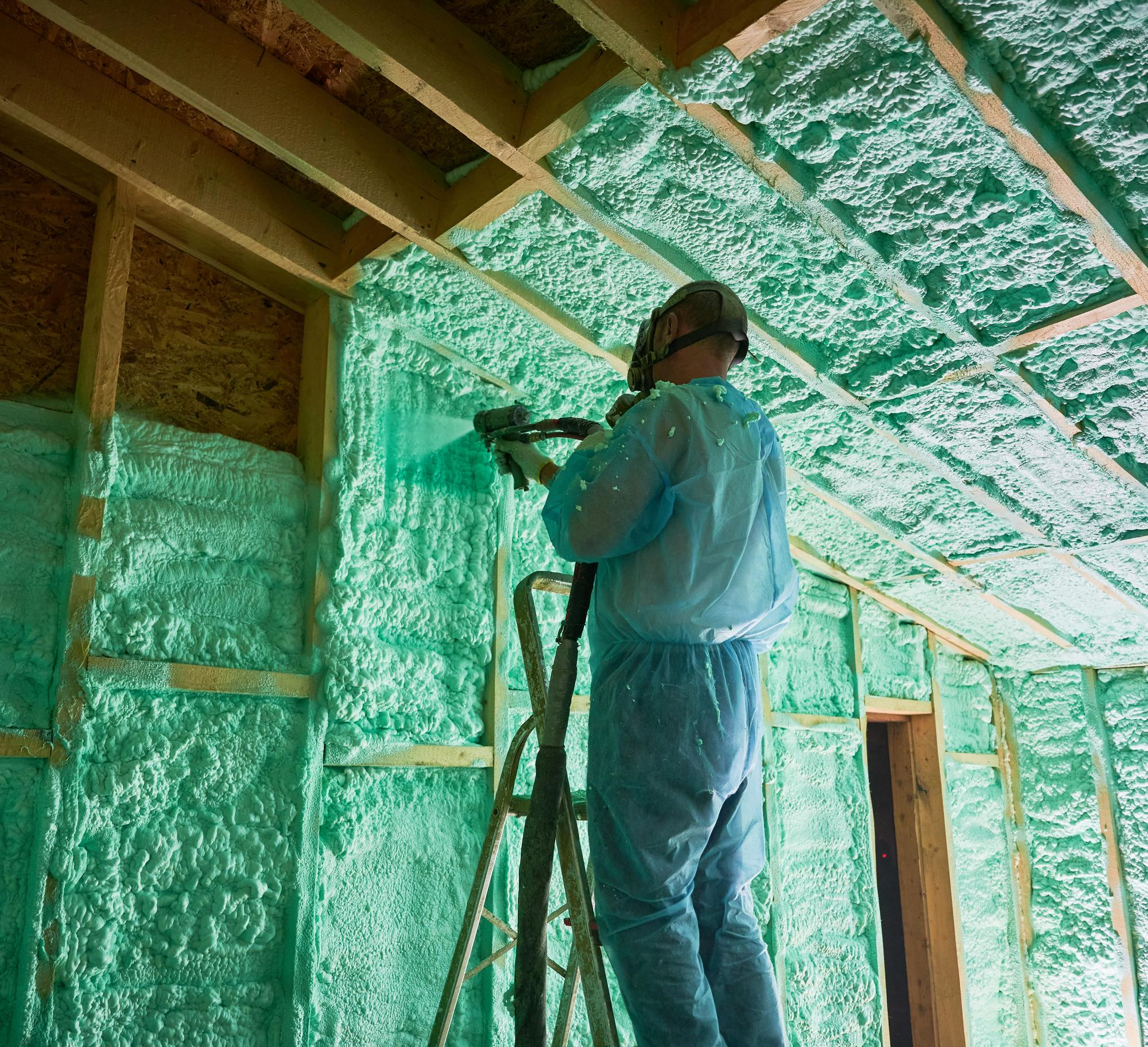
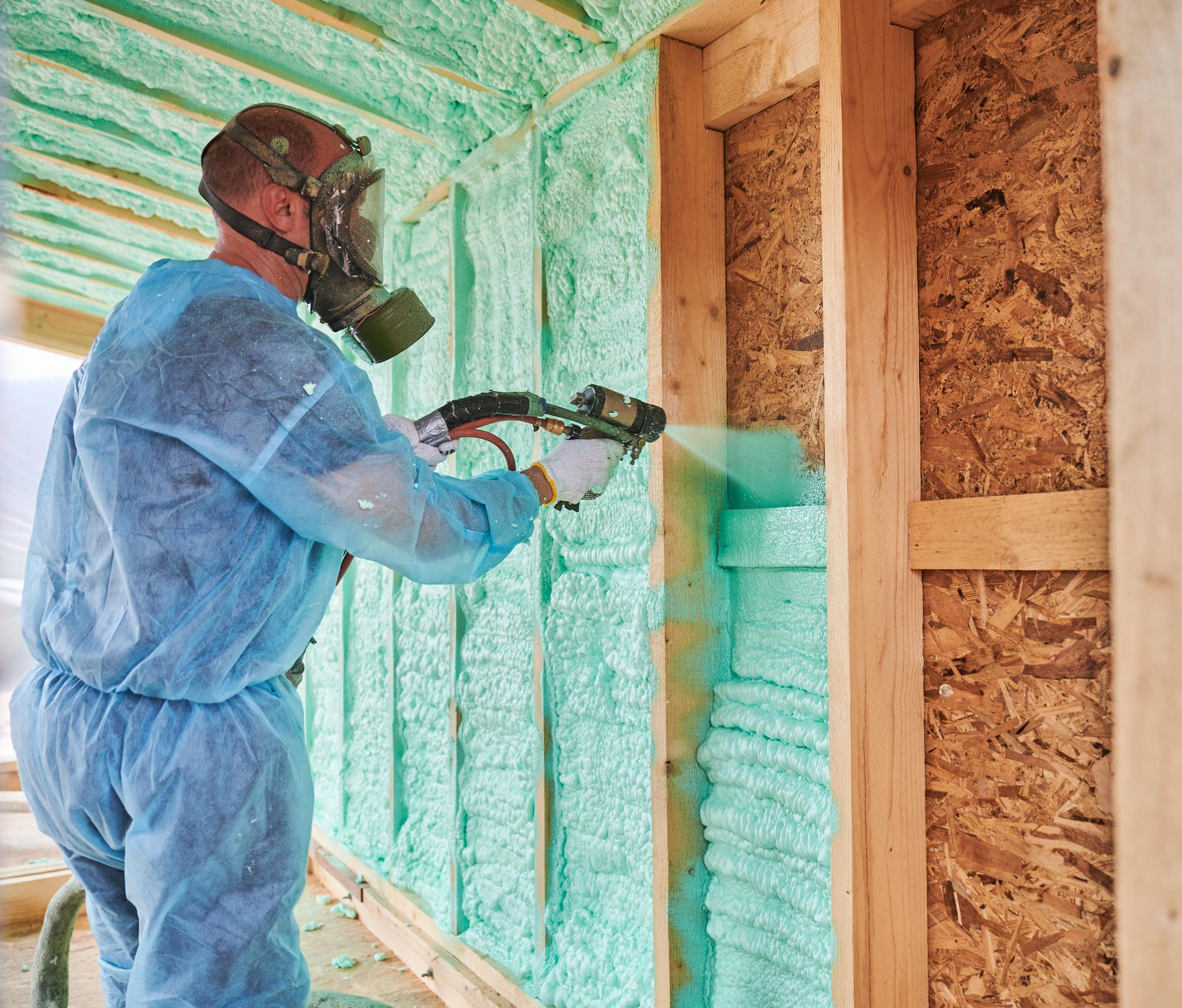
Understanding how fiberglass stacks up against other insulation options helps homeowners make informed decisions. Spray foam insulation offers superior R-value per inch (R-6 to R-7) and provides excellent air sealing, but costs three to four times more than fiberglass and requires professional installation with specialized equipment. Cellulose insulation, made from recycled paper products, offers comparable R-values to fiberglass and superior density that can reduce air infiltration, but it settles over time and loses some effectiveness.
Mineral wool insulation provides similar installation methods to fiberglass with slightly better sound dampening and fire resistance, though at approximately 25% higher cost. Rigid foam board insulation excels in applications requiring continuous exterior insulation but doesn’t conform to irregular spaces the way fiberglass batts do.
The cost-effectiveness of fiberglass becomes particularly apparent in whole-house projects. Material costs for fiberglass typically range from $0.40 to $1.50 per square foot depending on thickness and R-value, with professional installation adding $1.50 to $3.50 per square foot. This positions fiberglass as the most economical option for achieving recommended insulation levels throughout most residential structures.
For a comprehensive analysis of how different insulation materials perform in various applications, you can explore detailed comparisons of various insulation types and their applications to determine the optimal solution for each area of your home.
Health and Safety Considerations
Fiberglass insulation has faced scrutiny regarding potential health impacts, particularly concerning the tiny glass fibers becoming airborne during installation. Current research indicates that fiberglass is not classified as a human carcinogen. The International Agency for Research on Cancer removed fiberglass from its list of possible carcinogens in 2001 after extensive epidemiological studies found no increased cancer risk among workers with long-term occupational exposure.
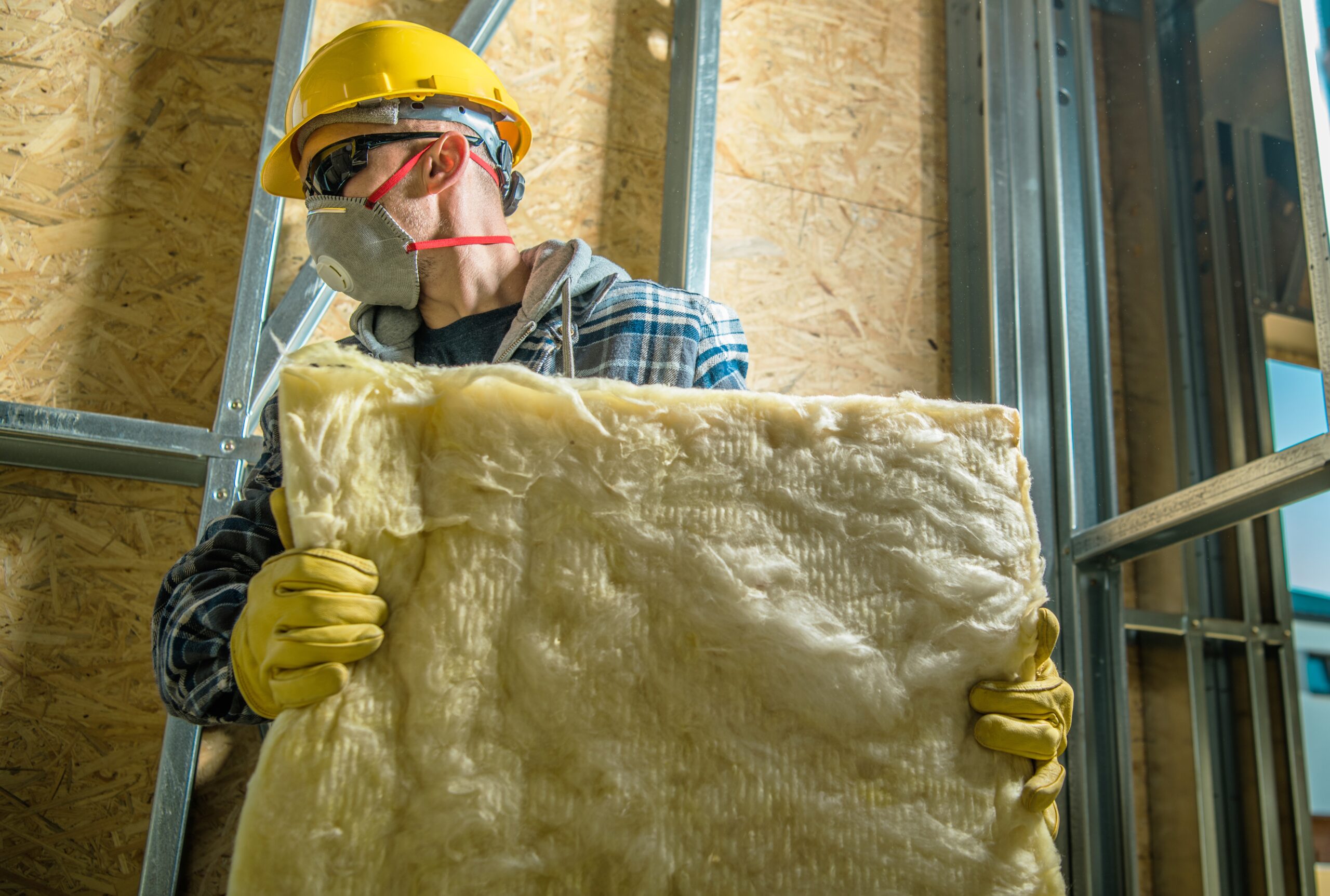
That said, proper handling remains important. The glass fibers can cause temporary skin irritation, itching, and redness upon contact. Airborne particles may irritate eyes, nose, and throat during installation. These effects are mechanical rather than chemical, similar to the irritation caused by handling other fibrous materials. Using appropriate personal protective equipment including long sleeves, gloves, safety glasses, and a dust mask or respirator eliminates these temporary discomforts.
Modern fiberglass formulations have also evolved to address environmental and health concerns. Many manufacturers now produce formaldehyde-free versions using bio-based binders derived from rapidly renewable plant materials. These products eliminate the slight off-gassing associated with traditional phenol-formaldehyde binders while maintaining the same thermal performance characteristics.
Ready to Boost Your Home's Efficiency with Fiberglass Insulation?
Fiberglass insulation is a cost-effective powerhouse for trapping heat and slashing energy bills — but getting it installed right is key to maximizing your savings. Pair it with air sealing and other upgrades for unbeatable comfort. Through NYSERDA and Inflation Reduction Act rebates, New York homeowners can often get thousands back or even zero-upfront-cost improvements. Don't miss out on these incentives.
Long-Term Performance and Maintenance
One of fiberglass insulation’s most compelling advantages is its longevity. When properly installed and protected from moisture, fiberglass maintains its insulating properties indefinitely. Unlike cellulose, it doesn’t settle significantly over time. Unlike spray foam, it doesn’t shrink away from framing members. The glass fibers themselves are inorganic and don’t support mold growth, though the facing material on some products can support biological growth if subjected to sustained moisture.
Moisture represents the primary threat to fiberglass performance. When fiberglass becomes wet, water displaces the trapped air that provides insulating value, dramatically reducing thermal resistance until the material dries completely. This vulnerability makes proper building envelope design critical. Roof leaks, plumbing failures, or condensation from air leakage can compromise insulation effectiveness. However, unlike some alternative materials, fiberglass typically regains full performance once thoroughly dried, assuming the material wasn’t compressed or displaced while wet.
Periodic inspection of accessible insulation areas helps identify potential problems before they compromise home comfort and energy efficiency. Look for signs of water staining, compressed or displaced material, or gaps that have developed around settled framing members. Attic insulation should be checked after severe weather events, and any insulation that becomes wet from roof leaks should be evaluated for replacement depending on the duration and severity of water exposure.
Making the Right Choice for Your Project
Fiberglass insulation continues to dominate the residential market because it offers an exceptional balance of performance, cost-effectiveness, and ease of installation across diverse applications. Its widespread availability, multiple product formats, and extensive installer familiarity reduce both material costs and labor expenses compared to specialized alternatives.
The material proves particularly well-suited for standard new construction with regular framing cavities, attic insulation projects where full-depth coverage is possible, and retrofit applications where cost considerations are paramount. However, situations involving irregular framing, extreme space constraints, or applications requiring simultaneous air sealing might benefit from alternative approaches or hybrid strategies that combine fiberglass with complementary materials.
Your climate zone, building design, budget constraints, and performance goals all influence the optimal insulation strategy. While fiberglass provides excellent value in most scenarios, consulting with experienced insulation professionals helps identify whether standard approaches will meet your specific needs or whether customized solutions might deliver superior long-term results. The key lies in understanding that insulation systems perform best when properly designed and meticulously installed, regardless of which material ultimately fills your walls and ceilings.